
Adolf Loos
The immorality of ornamentation

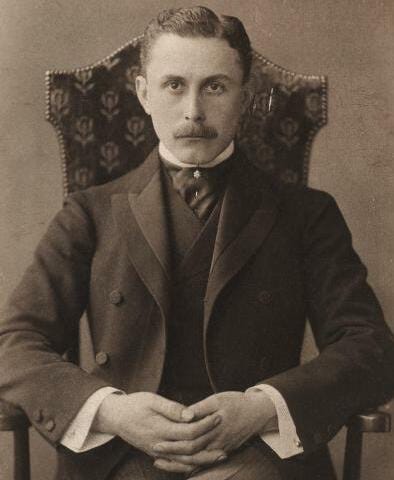
Personal background
Adolf Loos was born in Czechoslovakia in 1870, the son of a stonemason, and is, by almost any measure, one of the most influential architects of the 20th Century. However, his greatest lasting influence has probably been his writings rather than his built works.
Philosophy of Architecture
Writing for a paper in the Harvard Library, historian Jimena Canales said:
Adolf Loos’s famous 1908 essay, ‘Ornament and Crime’, decisively linked unornamented architecture with the culture of modernity and, in so doing, became one of the key formulations of modern architecture.
In terms of significant background information, Loos visited the United States after his university studies and fell under the sway of the Chicago School of Architecture, particularly the classic “form follows function" dictum of Louis Sullivan.
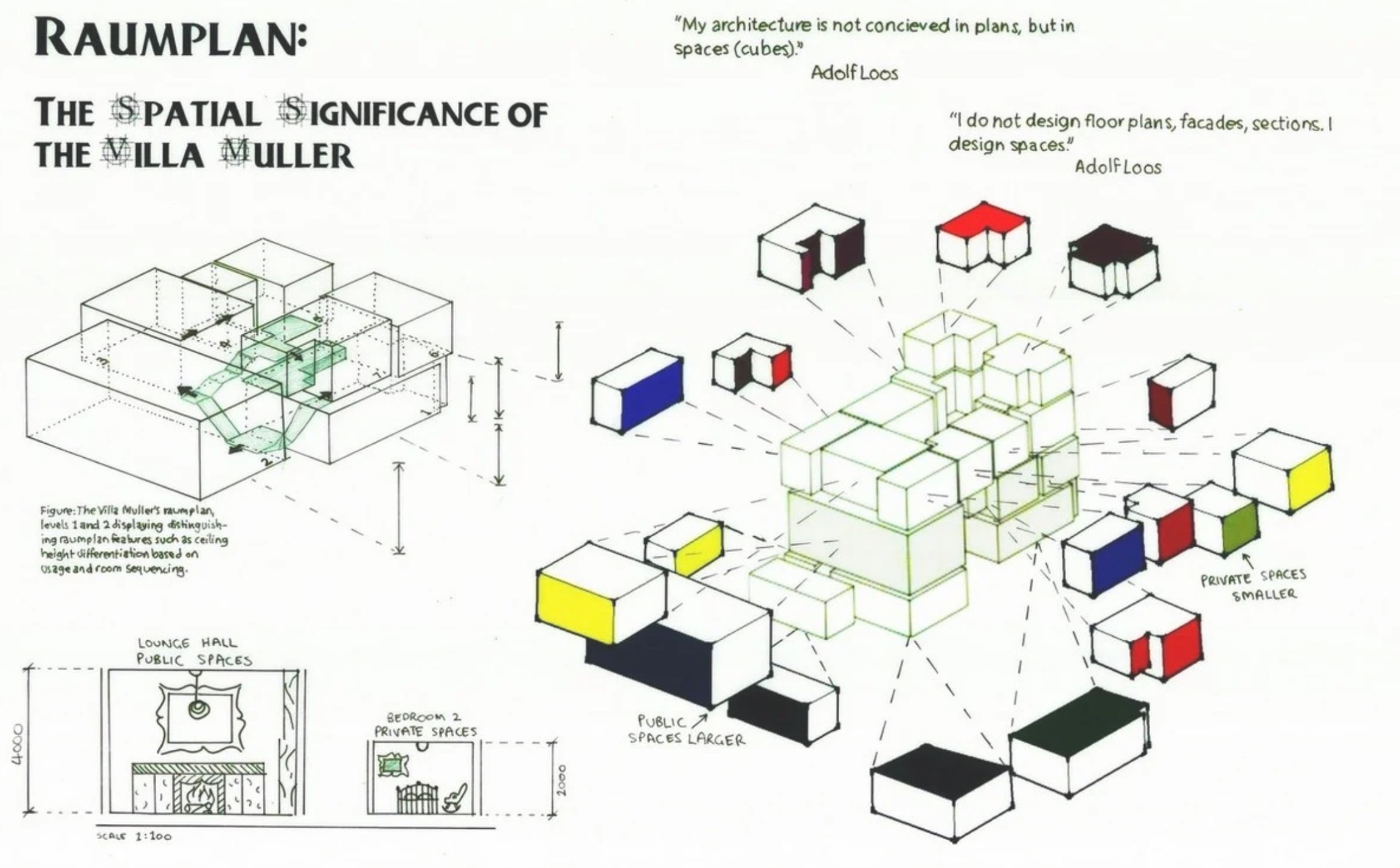
Loos proudly contended that he did not design floor plans, facades, or sections … rather, he designed spaces. This speaks to his Raumplan conceptualization, which is described below by the interesting website www.archeyes.com:
[It was a] concept introduced by architect Adolf Loos, refers to the design and organization of interior space based on the specific function of each room. Unlike the traditional approach of aligning rooms on a strict, regular floor plan, Raumplan suggests that spaces within a building should be differentiated in size, height, and character according to their intended use. This creates a more organic and dynamic layout, where rooms and levels interlock in a three-dimensional puzzle. It’s a design philosophy that prioritizes the practical and experiential aspects of architecture, demonstrating Loos’s focus on functionality and efficiency.
It is important to place Loos in the context of his period in architecture. Art Nouveau architecture seemed to rule the architectural roost during an approximate period from 1890 to 1910. Architect and writer, Yasmine Hafza described it this way:
Art Nouveau buildings flow with the curves of vines and flowers. Often, the aesthetic effect seems too absurd to grasp, but upon second look it becomes captivating.
Think of Gaudi’s La Sagrada Família, in Barcelona as an example.
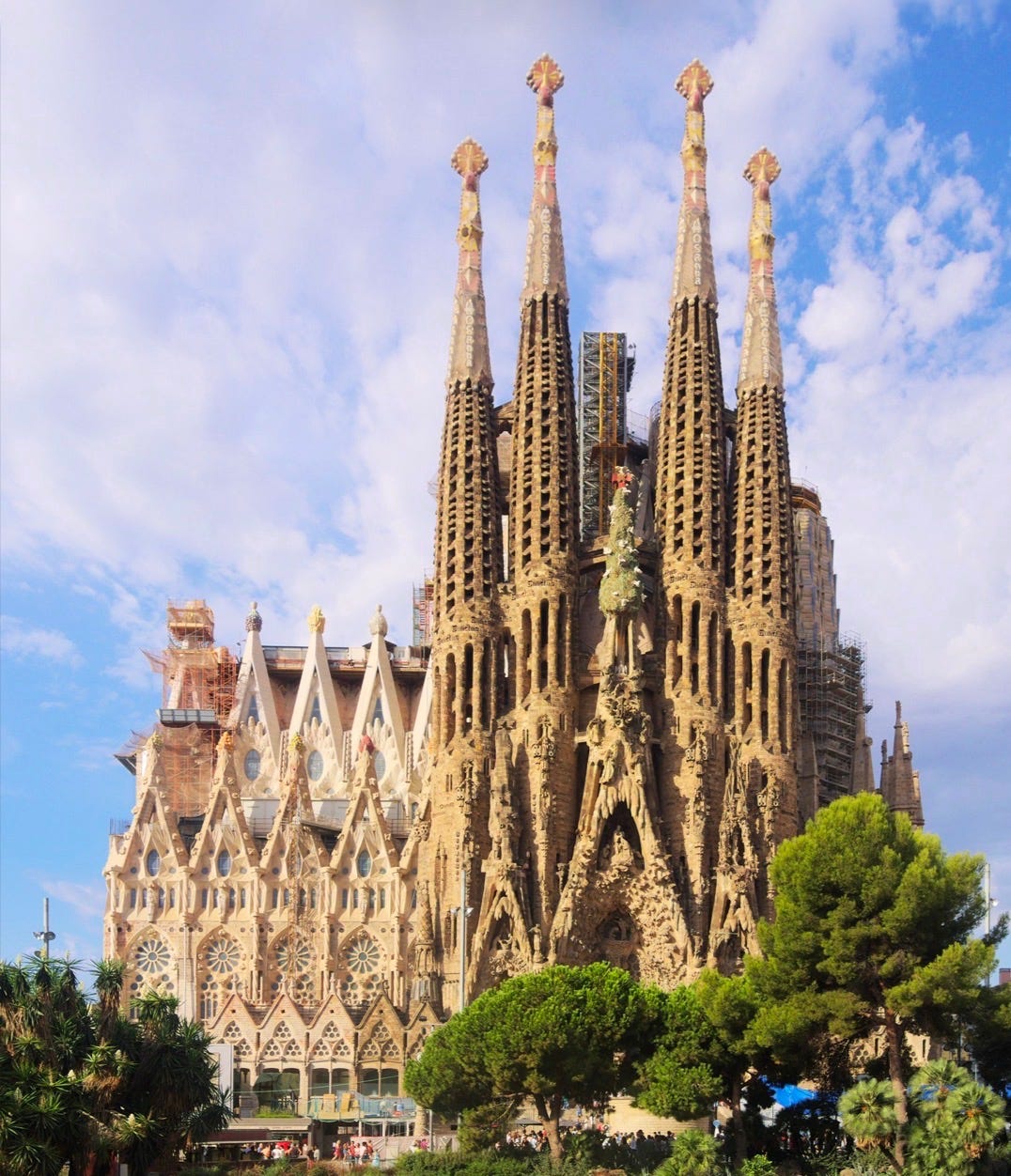
Loos considered this level of ornamentation to be an affront. In 1910 he published the much discussed manifesto, Ornament and Crime beseeching architects to:
abandon ornament and concentrate entirely on the erection of buildings that were finally shaped and charming in their sobriety
Then went so far as to say:
Lack of ornamentation is a sign of spiritual strength
Ok. Perhaps that is a “bridge too far” but you get the point.
Built Designs
Villa Müller, Prague - 1930
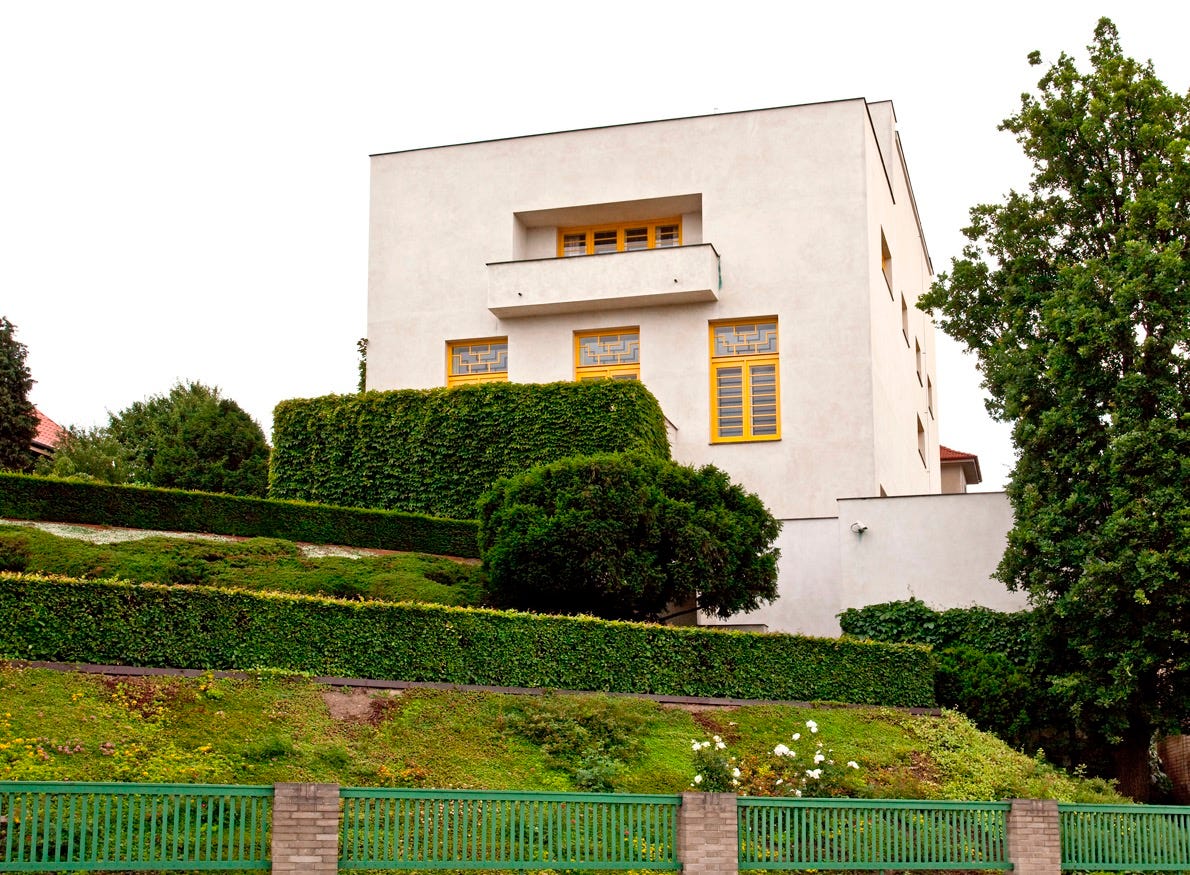
The exterior of Villa Müller aligns perfectly with the previously discussed Loos paper, “Ornament and Crime.” The exterior of this work is largely a white, cubic facade. It was important to Loos that there be a clear division between the largely unadorned exterior, visible to the public, and the elegantly adorned private interior spaces. Especially elegant is the relatively rare Cipollino marble, bottom right below.


Steiner House, Vienna - 1910
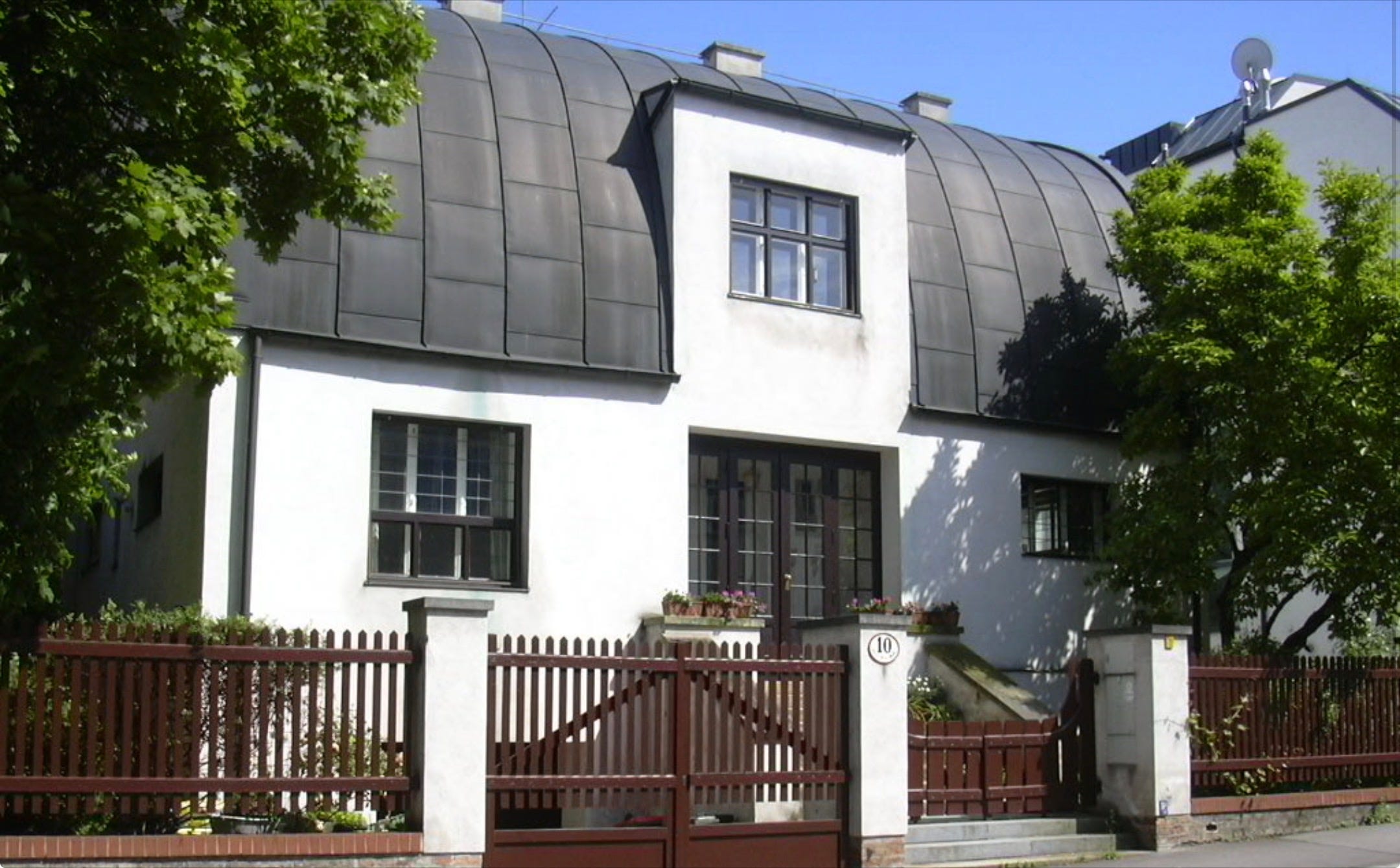
Designed by Loos in 1910 for a painter and her husband.This project was again in keeping with the Loos philosophy as the exterior is clean and lacking ornamentation it expresses somewhat boxy lines, staying pure in terms of simplicity. As you can see below, the interiors exhibits more sumptuous finishes.
Archweb.com summed it up nicely below:
Today, the Steiner House is considered an architectural landmark and is a popular destination for lovers of modern architecture. Its design has influenced subsequent generations of architects and is a prime example of the transition to modern architecture in the 20th century.


Loos House (Goldman & Salatsch Building) Vienna -1912
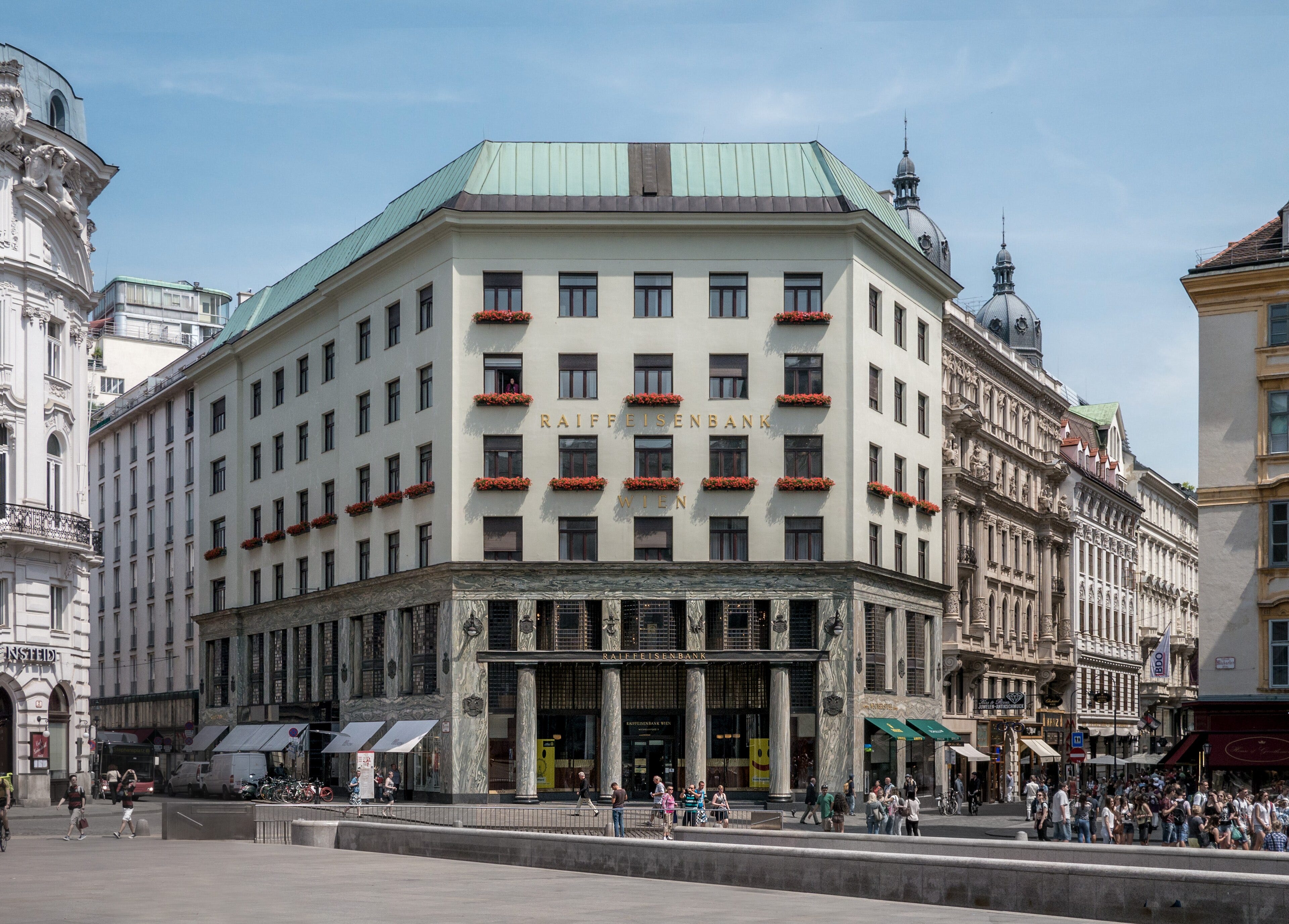
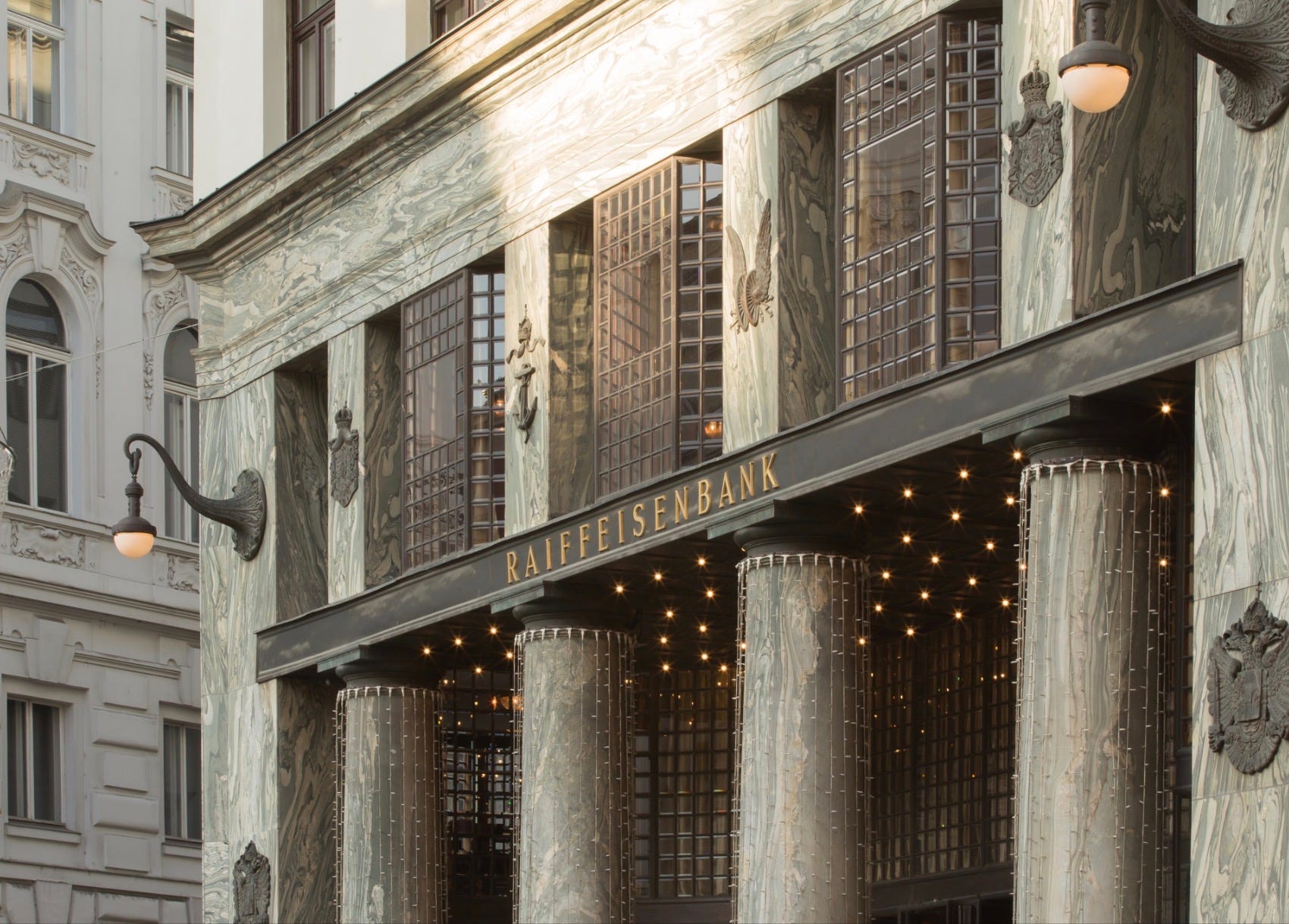
As might be expected, given the Loos philosophy, the exterior of this work is not of the riveting, eye-catching variety. But upon closer inspection, the solid Cipolino marble columns (below) add more than a touch of class to the pedestrian level.
Prof. emeritus Dr. Monika Wagner said this about this use of materials to create architectural statements, as indirectly asserted by Loos,:
I do not consider materials to have intrinsic meaning. Rather, every material possesses certain potential, which stems from its properties, hardness or softness, heaviness or lightness, flexibility or rigidity, to name but a few examples
Conclusion
Over two centuries later, the assertions by Loos that architectural design featuring ornamentation is somehow equivalent to moral turpitude seems slightly ridiculous. Placing him within the context of his era is important. That being before two devastating world wars, you may choose to mitigate his hyperbole based on what was culturally significant in the early 20th century versus what is currently important.
The influence of Adolf Loos on the Bauhaus and on twentieth-century modern architecture as a whole is indisputable, particularly in his direct impact on figures such as Le Corbusier and Mies van der Rohe. He passed away at age 62 in 1933.
Architecture for the Soul is a reader-supported publication. Please consider becoming a paid supporter. WE NEED YOUR HELP!