
Parametric design in architecture
Computational design

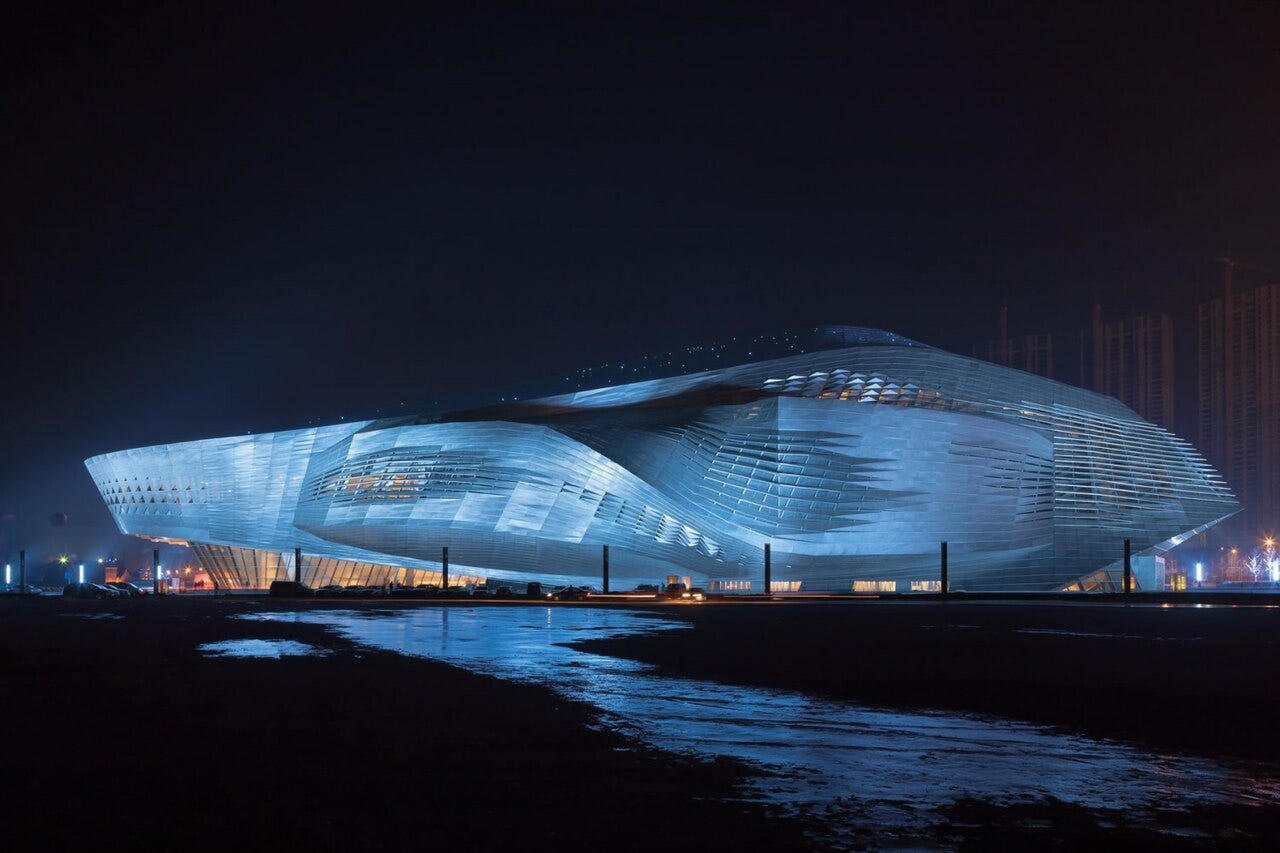
The online publication Architizer defines parametric design:
Parametric design in architecture uses computer tools to define how different design parts are connected. These parts, called “parameters,” can include design and building aspects such as materials, feasibility and energy efficiency. Instead of adjusting each part manually, architects create formulas or algorithms to automatically generate designs. This approach allows for more flexibility and precision and can create stunningly complex and dynamic forms.
Patrik Schumacher is a German architect and principal of Zaha Hadid Architects. Since 2008, he has generally been credited with coining the term parametricism, referring to "a type of design process characterized by the interrelation of design variables (or, parameters) through computational tools and techniques.” Given his background, Mr. Schumacher offered these “taboos and dogmas” to follow for the successful practicing of parametric architecture:
Negative principles (taboos)
Avoid rigid forms (lack of malleability)
Avoid simple repetition (lack of variety)
Avoid collage of isolated, unrelated elements (lack of order)
Avoid rigid functional stereotypes
Avoid segregative functional zoning
Positive principles (dogmas)
All forms must be soft
All systems must be differentiated (gradients) and interdependent (correlations)
All functions are parametric activity scenarios
All activities communicate with each other
How have we gotten here?
Hard as it may be for some of us to remember, there was a time before digital design when large architectural firms relied on armies of draftspeople drawing everything by hand on paper. The process depended on physical rulers, compasses, triangles, and sharpened pencils rather than computer screens and software.

In the earliest years of the 1980s, I vividly remember walking into almost any architectural office in America and passing rows of busy drafting tables on my way to a conference room somewhere on the floor. Within a decade, the drafting tables were still there, but now personal computers sat on them.
Let’s take a look at a few buildings using parametric design capabilities:
Museo Soumaya, Mexico City -2011
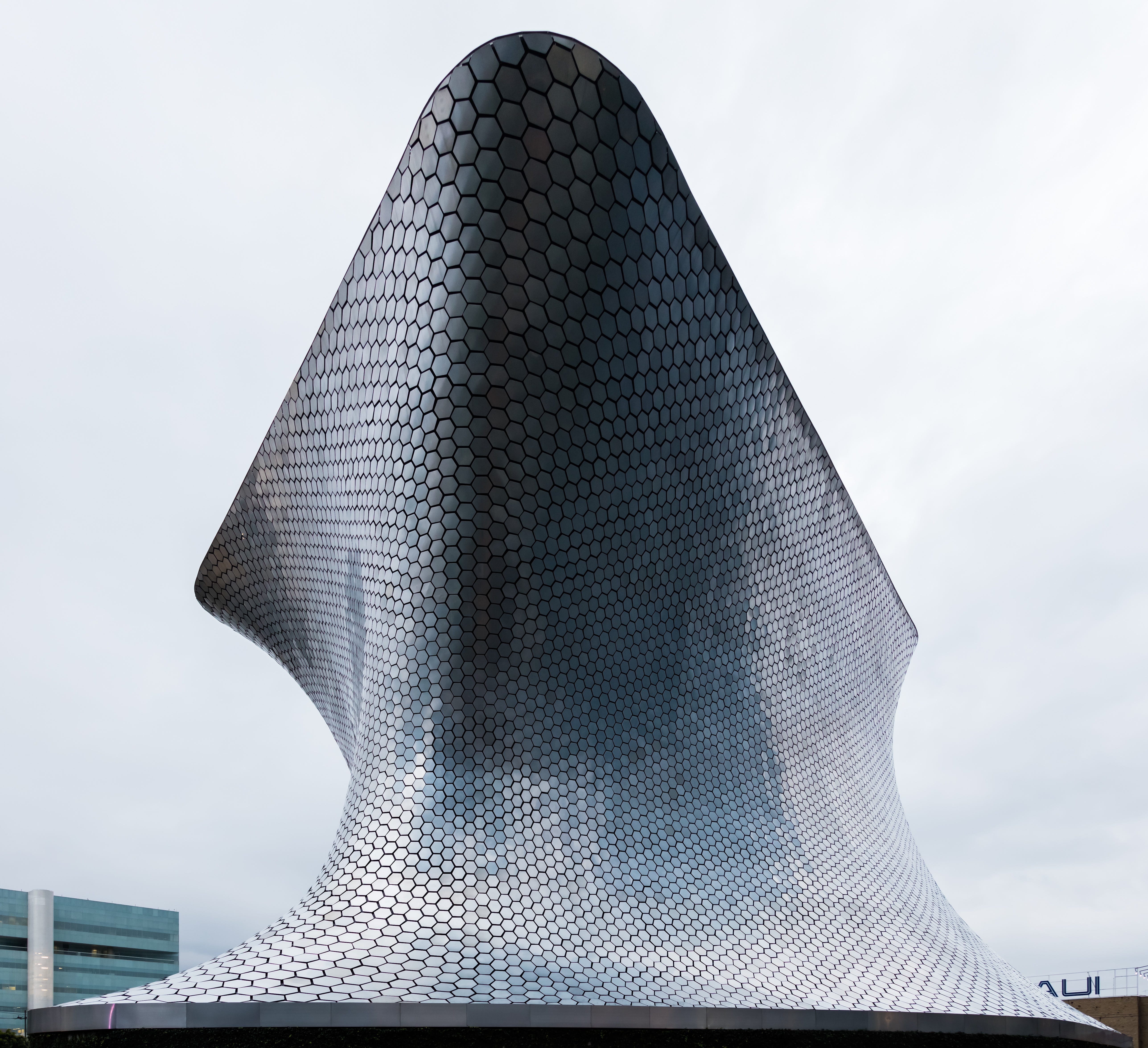
Museo Soumaya in Mexico City is owned by Mexican billionaire Carlos Slim and was named in honor of his late wife, Soumaya Domit. The museum was designed by Mr. Slim’s son in law, architect Fernando Romero and his firm, FREE (Fernando Romero Enterprise).
Mexico City based journalist, Geri Smith, offered this on the museum:
Imagine a gleaming aluminum cube that has been stretched and twisted so that it soars 150 feet into the sky, its thrusting, curving upper contours reminiscent of the bow of a ship. It's a design that is at once whimsical and structurally daring.
The Glasshouse, UK -2004
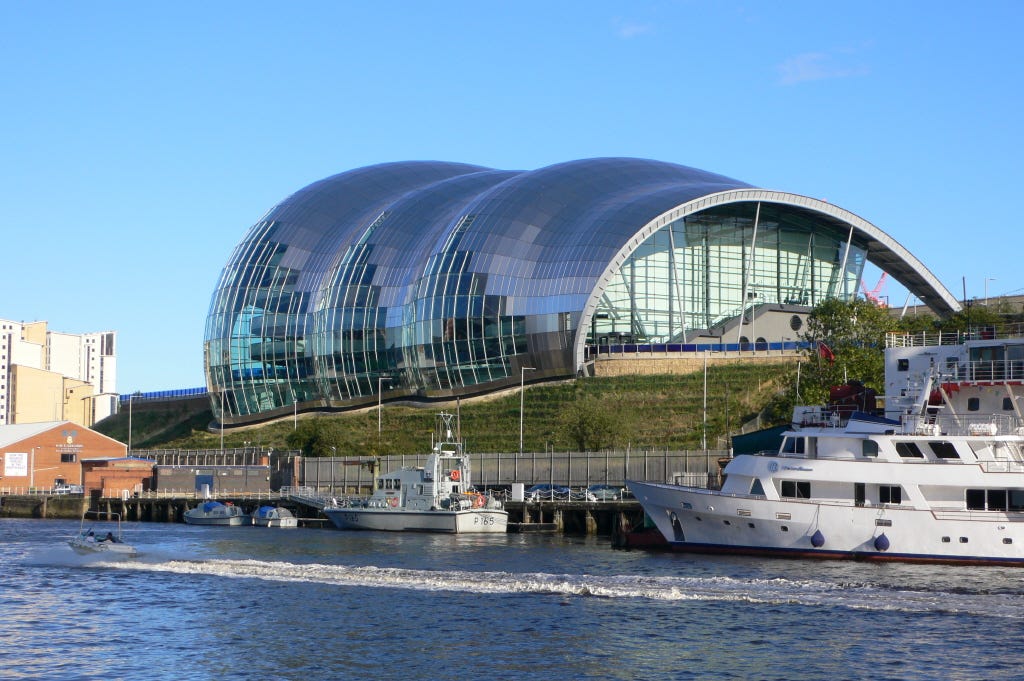
The Glasshouse International Centre for Music, formerly known as Sage Gateshead, is a landmark venue dedicated to both musical performance and music education. The building was designed by Foster + Partners after the firm was unanimously chosen in an international design competition that attracted more than 100 entries from around the world.
Galaxy SOHO Beijing -2012
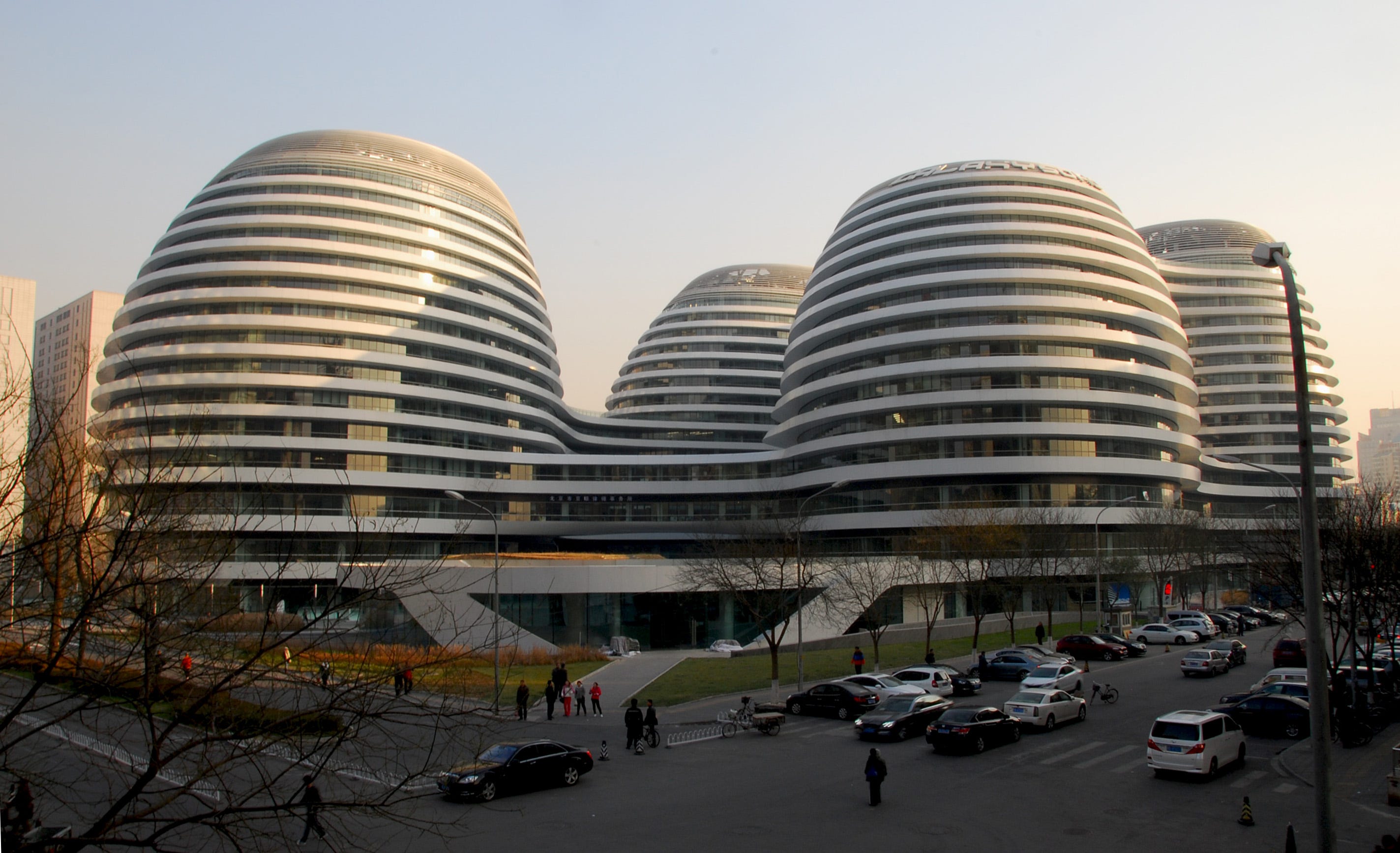
Galaxy SOHO is an urban mixed-use project completed in 2012. It is the first of three works designed by Zaha Hadid and her firm for SOHO China. The other two are Wangjing SOHO and Leeza SOHO, shown below.


After reviewing these three works, there can be little doubt why the late Pritzker Prize–winning architect Dame Zaha Hadid earned the title “Queen of the Curve.” Her visionary designs pushed the boundaries of architecture, transforming fluid, sweeping forms into some of the most iconic structures of the modern era.
Dame Zaha offered this as a part of her philosophy of design:
I don't think that architecture is only about shelter, is only about a very simple enclosure. It should be able to excite you, to calm you, to make you think.
The Hive (UOB Innovation Hub) Singapore - 2015
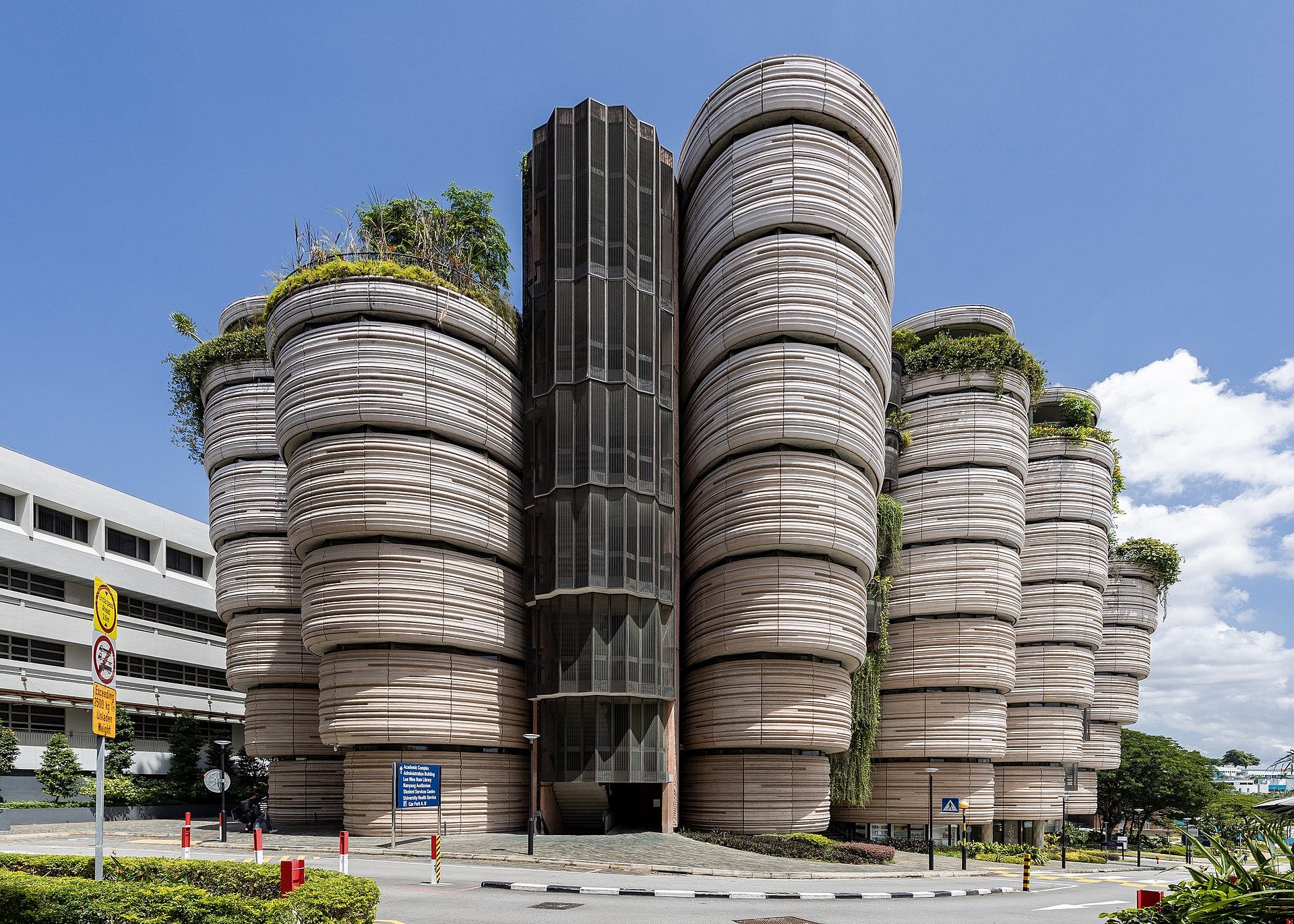
This striking project is the work of British designer Thomas Heatherwick and his London-based firm, Heatherwick Studio. The structure is composed of twelve eight-story towers that taper as they descend toward the ground. The resulting form has often been likened to a stack of traditional dim sum baskets, giving the building its distinctive, highly recognizable appearance.
Guangzhou Opera House
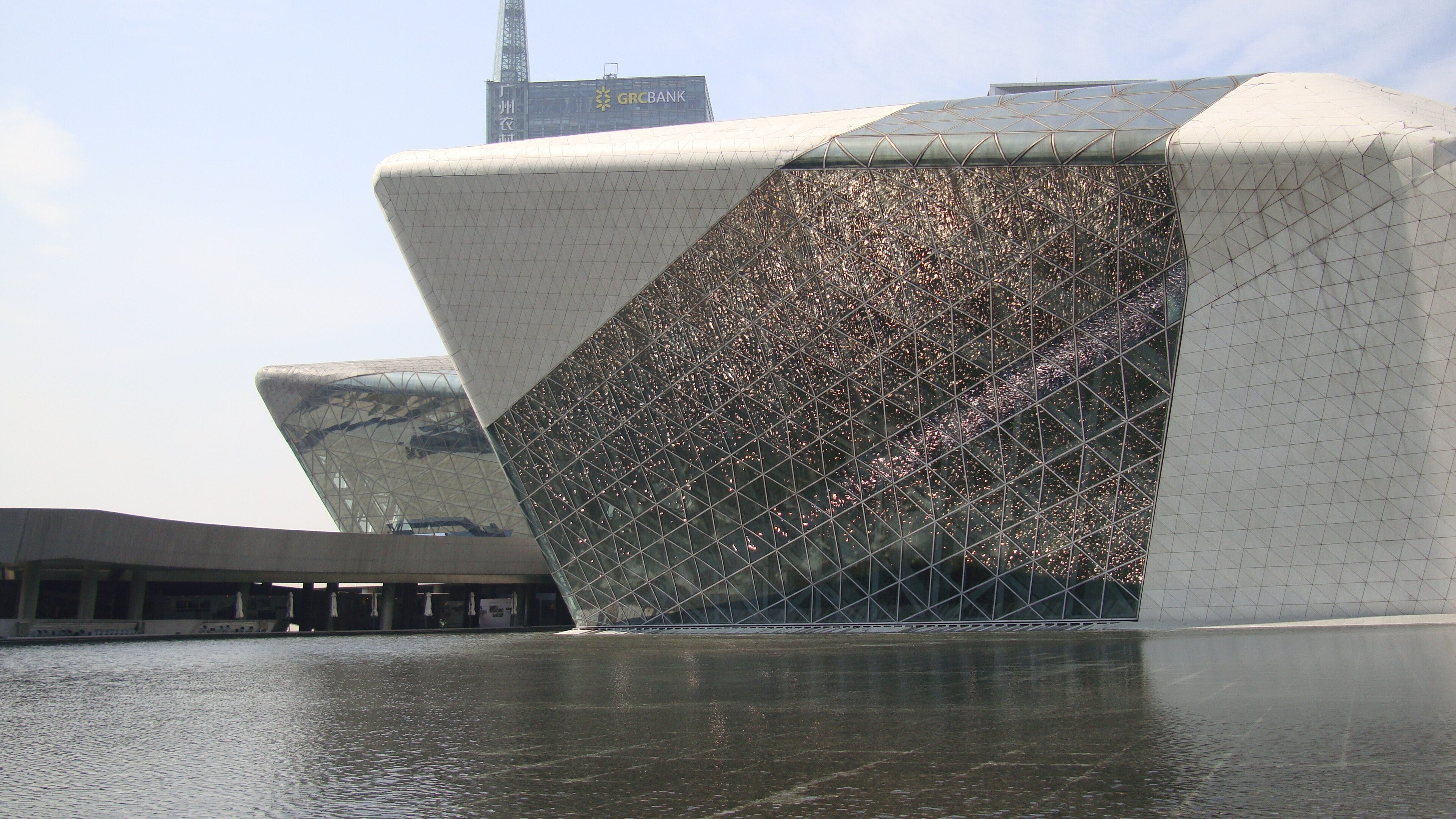
Here is another project designed by Zaha Hadid. It was her first built project in China. Dame Zaha and her firm were selected for this project after an international competition that included the architectural luminaries of the day.
Writing in the New York Times, architectural critic Nicolai Ouroussoff said this:
Still, if you’re an architecture lover willing to find your way to the building, you probably won’t care much……the new Guangzhou Opera House is gorgeous to look at. It is also a magnificent example of how a single building can redeem a moribund urban environment. Its fluid forms — which have been compared to a cluster of rocks in a riverbed, their surfaces eroded by the water’s currents — give sudden focus to the energy around it so that you see the whole area with fresh eyes.
Conclusion:
Catherine Slessor, an architecture editor, writer and critic wrote this:
Ceding control to the algorithm, parametricism is even more disconnected, a reductivist, technophile triumph of fetishised process over outcome. Perhaps it will quietly atrophy, as decon did, and be superseded by the next big thing.
I can’t say that I agree with Ms.Slessor. Her view seems overly harsh, but it also indicates the interest the topic generates. The folks who like these works should enjoy the buildings. If you are not so inclined, that’s fine also.