
Polish Modern
Architecture & Cultural Revival
In the aftermath of World War I, Central Europe was dramatically reshaped amid widespread instability. The once-unthinkable collapse of the Austro-Hungarian, German, and Russian Empires gave rise to a mosaic of smaller nation-states, forged in the fires of this political and social upheaval.
Needless to say, World War 2 and the post-war Soviet hegemony did not bring better prospects for the people of Central Europe. However, the collapse of the Soviet Union and the subsequent opening of greater ties to the West began a long process of reawakening in almost all sectors of Central European life. Let’s review a few developments in modern Polish architecture.
Museum of the History of Polish Jews, Warsaw -2014
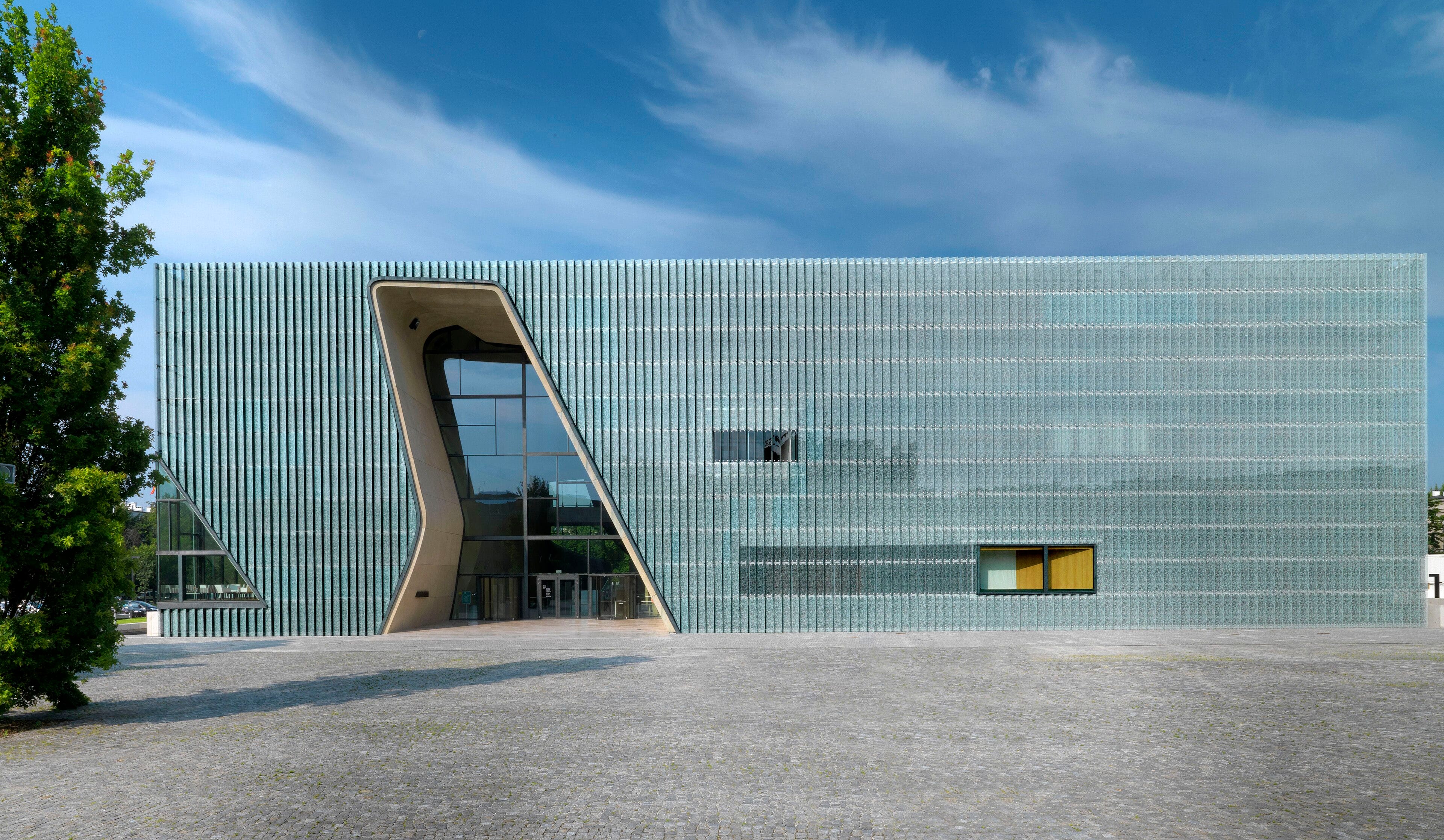
After an international competition won by Finnish architects Rainer Mahlamäki and Ilmari Lahdelma, the Museum of the History of Polish Jews was opened in 2014.
J. Goldmann, a writer who has penned articles on European and Jewish culture, offered this upon the opening of the museum:
One of the most significant Jewish cultural projects in contemporary Europe, the museum will tell the story of the Jewish people’s 1,000-year history in Poland. According to museum officials, the core exhibition, which will be installed in the spring of 2014, will demonstrate how Jewish history and Polish history have been intertwined for the greater part of a millennium.
The museum is proximate to the site of the infamous 1944 Warsaw Ghetto uprising, where the Polish underground had bravely fought the occupying German army to a temporary standstill. Their military activity was predicated on receiving help from the Soviet Red Army, which was positioned on the other bank of the Vistula River. Sadly, that help never came. The Germans destroyed the city in retaliation, and while an exact number has never been agreed upon, somewhere in the area of 150,000 to 200,000 civilians were killed.
International Congress Centre - City of Katowice
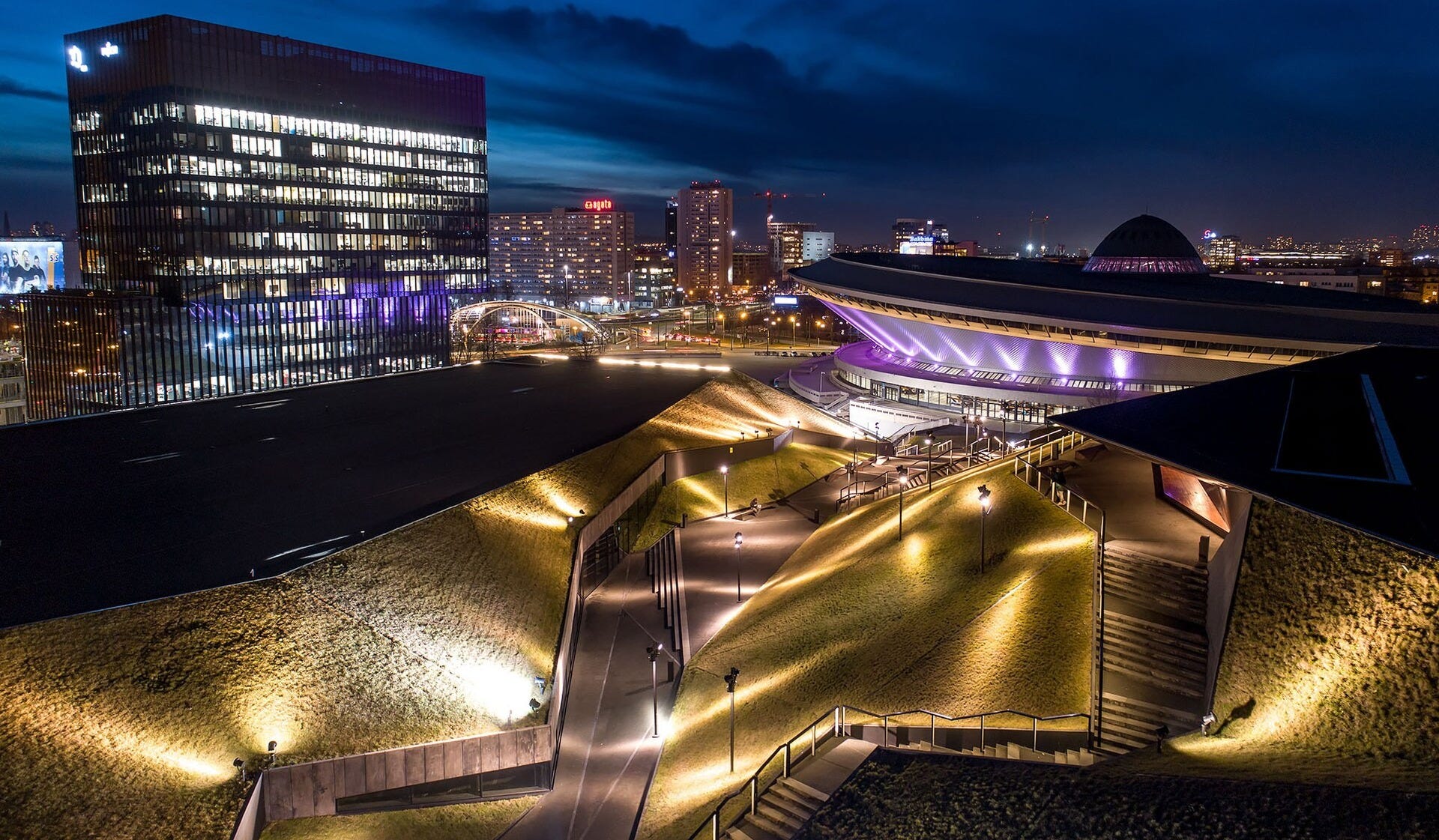
This work is part of a “Culture Zone” that includes the Spodek Arena, a sporting venue, and the locally focused Silesian Museum. The ICC was designed by JEMS Architekci in Warsaw and opened in 2015.
According to the ICC website:
The construction of the International Congress Centre is based on noble materials. The outside area and foyer feature black openwork expanded metal mesh, and the conference interiors are constructed from wood and concrete.
The architects added this for more background:
The general philosophy behind the design was to create a facility with a value created not only by providing functional solutions of a utilitarian nature, but also by creating conditions for its existence within the social space of the city. The Centre building, with its straightforward, distinct and clear-cut form, has been integrated into the plan.
ICE Krakow Congress Centre - Krakow
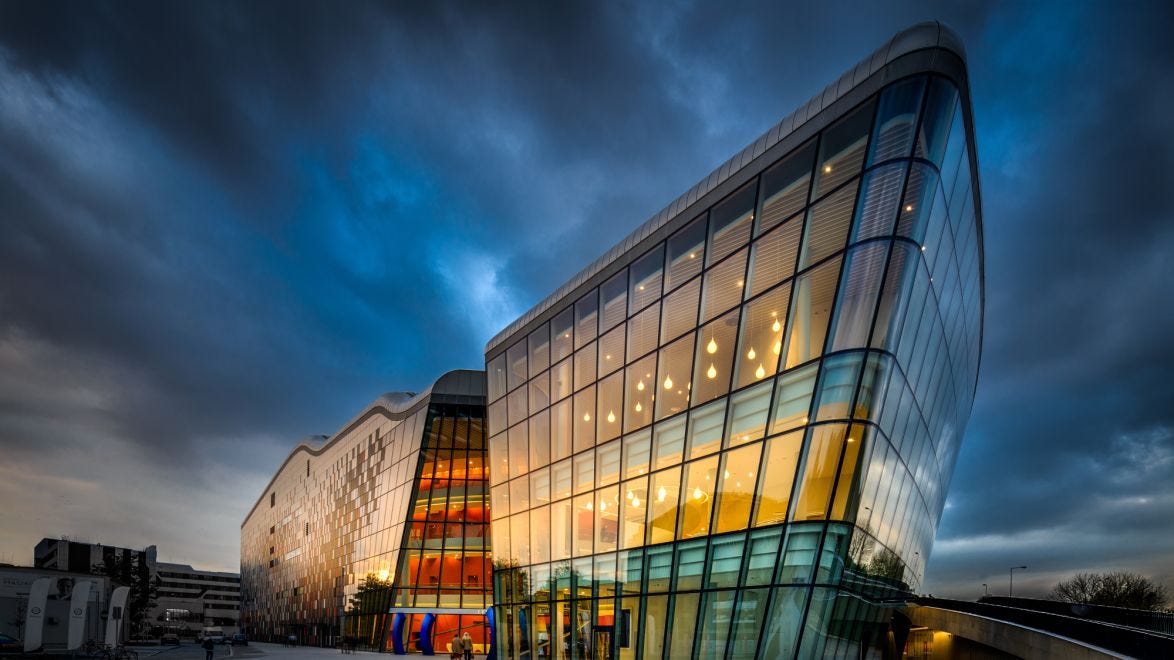
In 2007, the City of Krakow announced an international competition for the Krakow Congress Center. The eventual winners were the Kraków-based studio Krzysztof Ingarden, Jacek Ewý Architekci sp. z o.o., along with the Japanese design consultant Arata Isozaki & Associates.
Today, the ICE Krakow Congress Center describes itself:
The ICE Kraków Congress Centre is the business and cultural flagship of the city. Located in the very heart of Kraków, it is a convenient place for the organisation of diverse events: from international congresses, conferences, symposiums and business meetings, through cultural events such as concerts, opera, theatrical and ballet performances, to social meetings
This work seems to represent a logical progression from the past to the present. Consider 19th-century wood and stone- anchored firmly in tradition, the Soviet bloc period of brutalist concrete- inflexible and austere, and now the glitteringly optimistic Krakow Congress Center.
To that point, the informative website archello.com said:
It is expected that the building will become a new architectural landmark on the banks of the Vistula River in Krakow, while at the same time successfully blending with both the historical and modern components of the Old City, Kazimierz and Podgorze.
Malopolska Garden of Arts
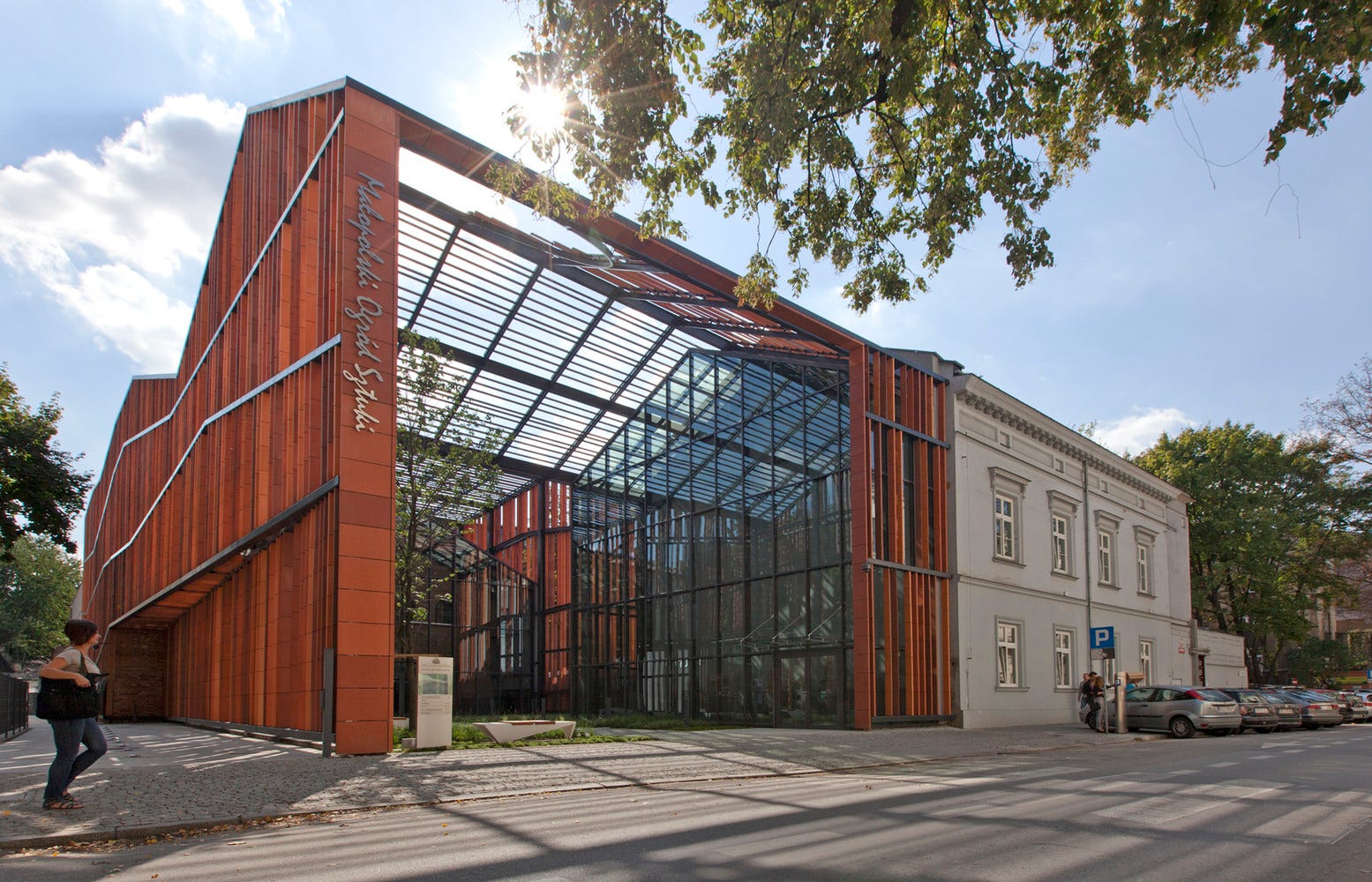
Designed by the Polish firm, Ingarden & Ewý Architects, and opened in 2005. The architects describe their work as:
The Malopolska Garden of Arts is a culture venue with a performing arts centre and mediatheque, located in 19th-century urban block of Kraków. It draws inspiration from the context by making references to the geometry and tissue of the nearby buildings but due to its abstract, free composition creates a modern architectural sign in historical surroundings……..In this place, the cultural life of the Kraków’s young artistic set will blossom under a shared roof. Modern ballet, contemporary theatre forms, audio and video arts, concerts, and all and any other artistic pursuits will find their home here.
PGE Narodowy- Warsaw - 2011
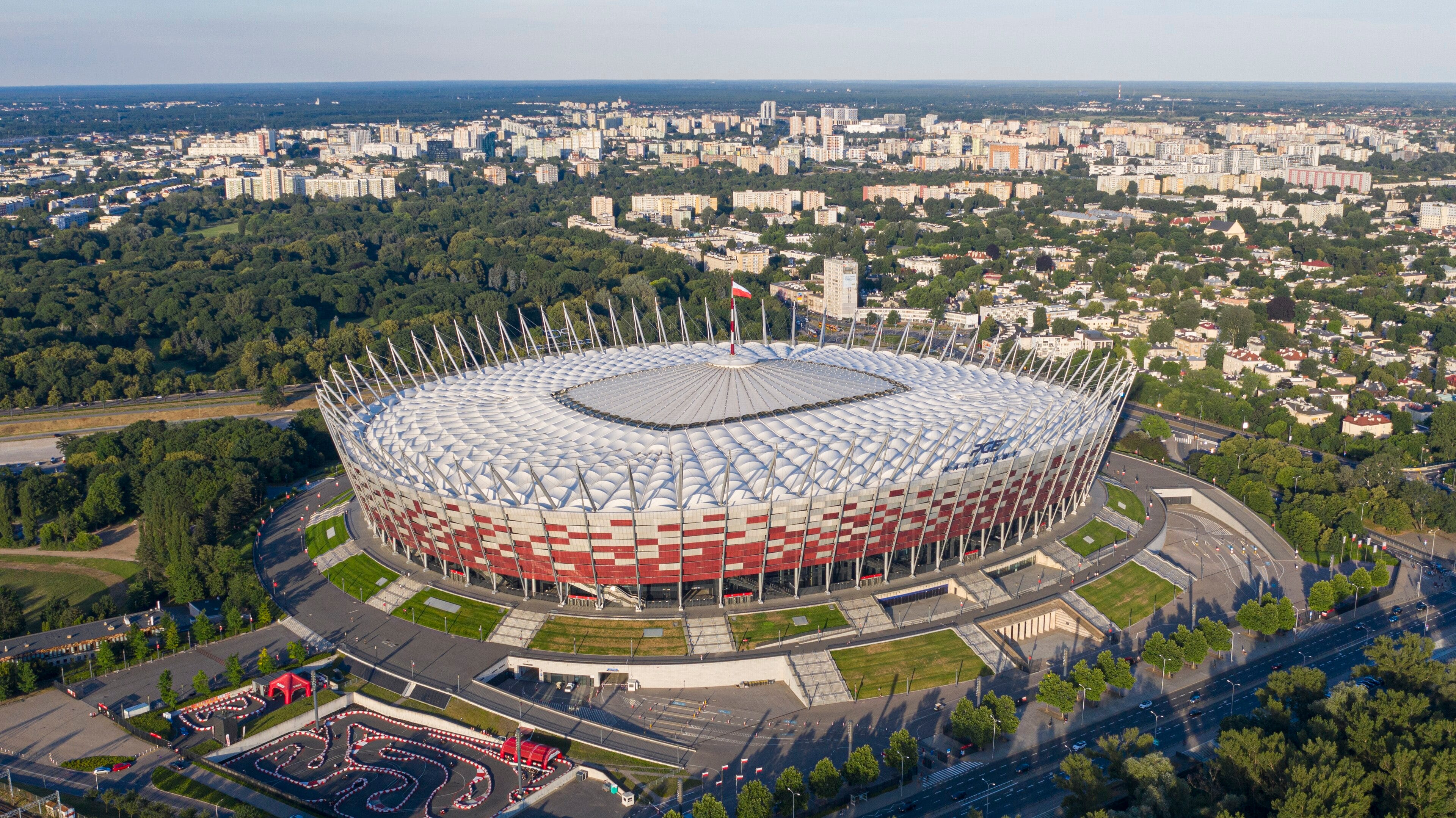
PGE Narodowy, essentially the national stadium of Poland, was opened in 2012 and designed by the German-Polish joint venture gmp Architects von Gerkan, Marg and Partners, J.S.K. Architekci Sp. z o.o. The Stadium features a retractable roof and a heated field (pitch) with specially cultivated Dutch grass.
As befitting a national stadium, the facade and the seats reflect the red and silver colors of the Polish flag.
As a venue, the stadium has hosted the European football championships in 2012 and concerts including such star attractions as Madonna, Beyoncé, the Rolling Stones, and Taylor Swift.
Warsaw Spire - 2016
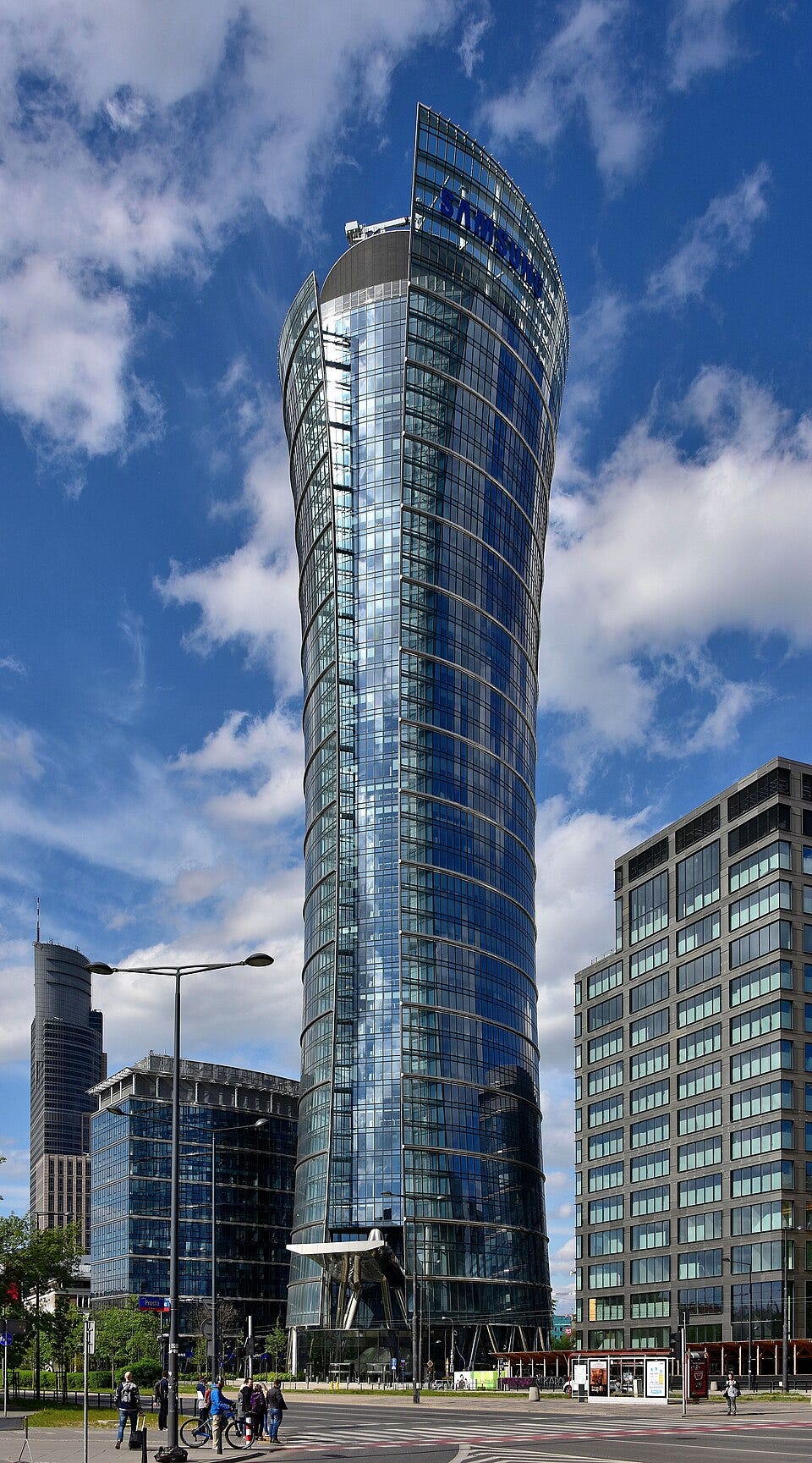
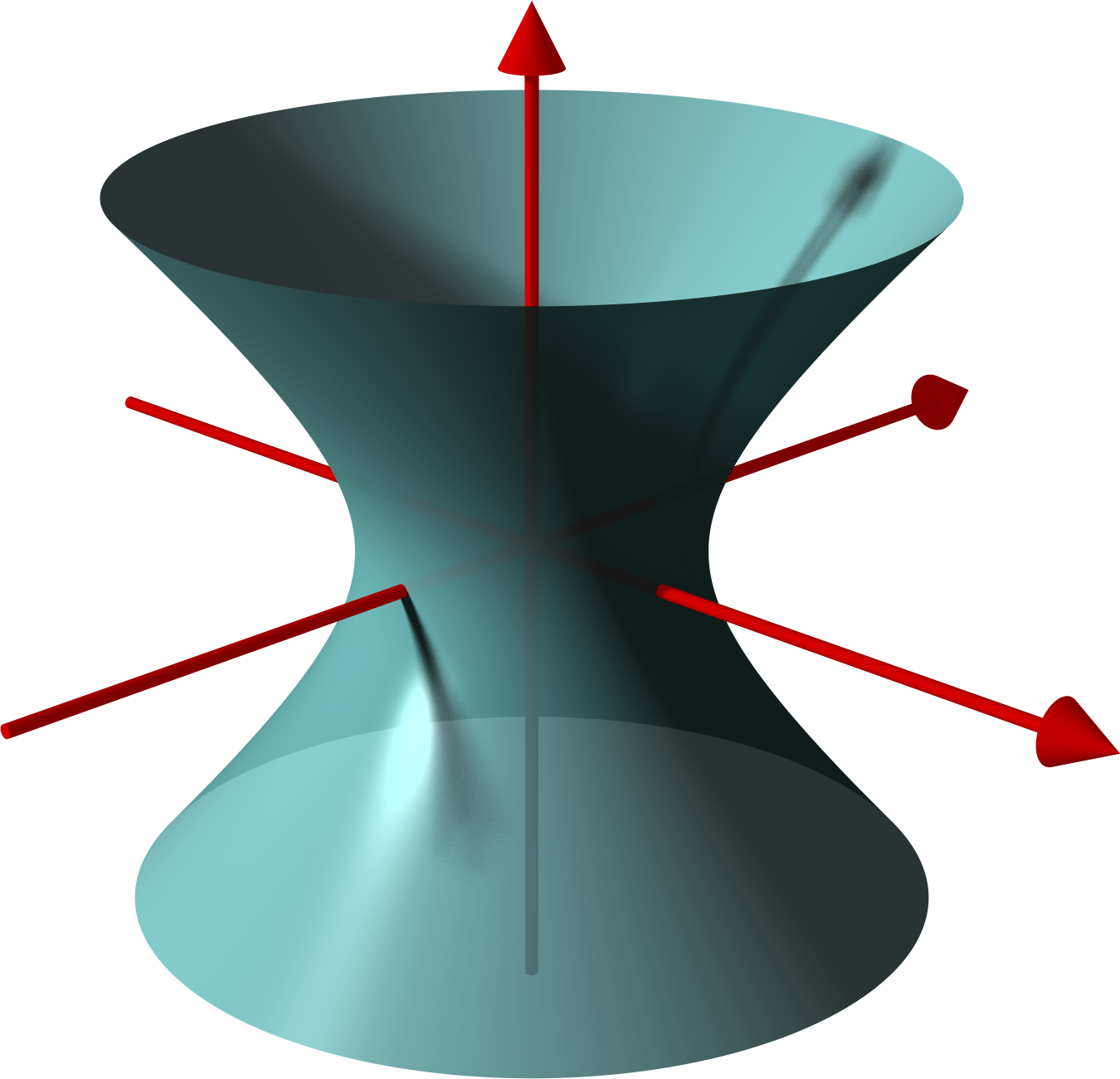
Opened in 2016 and designed by the Belgian firm Jaspers-Eyers Architects, the Warsaw Spire is the 3rd tallest building in Poland and features a remarkable hyperboloid glass façade, as detailed below this geometric shape, resembling an hourglass, is considered to be superior in terms of stability when compared to more conventionally rectangular shapes.
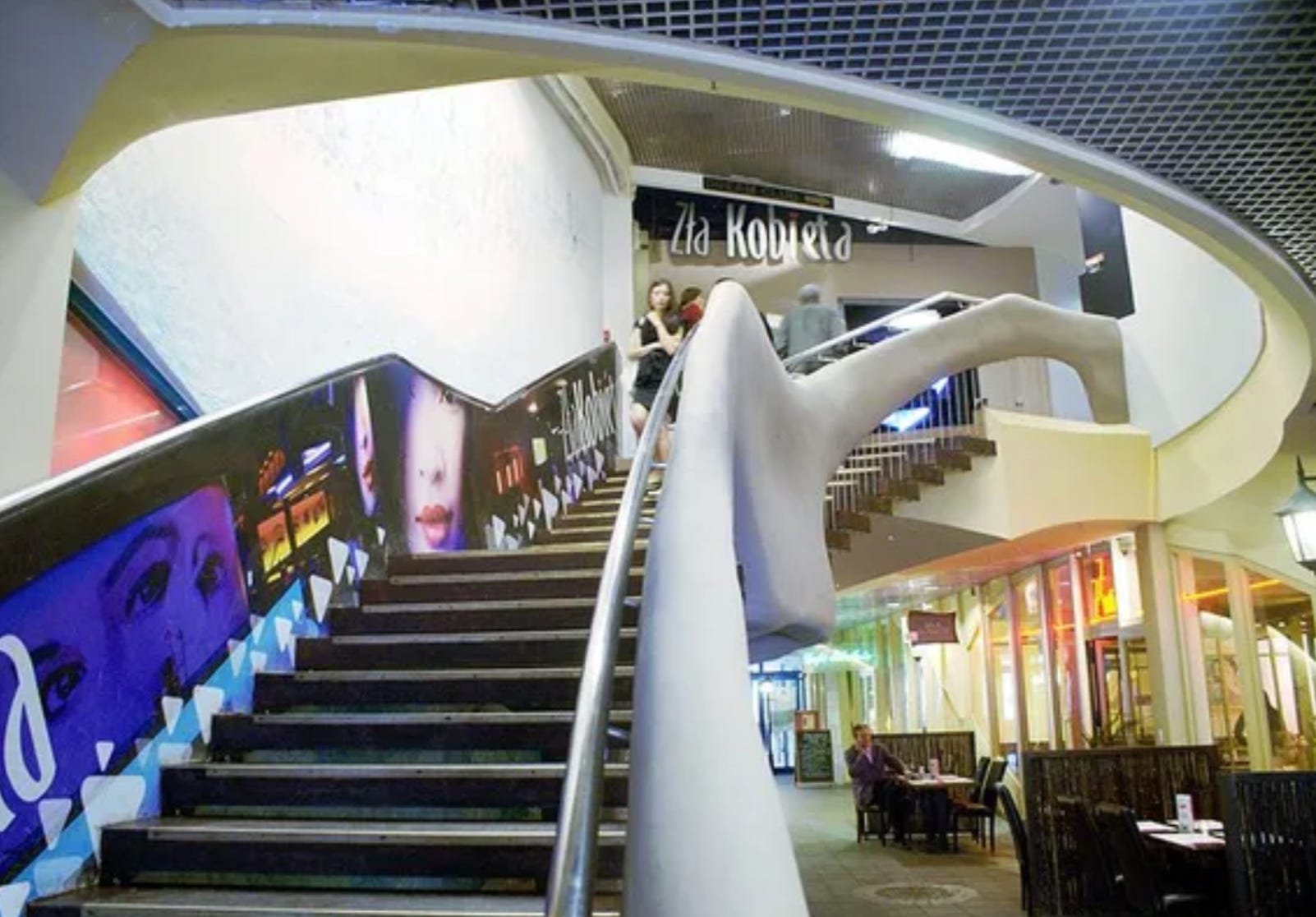
Krzywy Domek / The Crooked House - Sopot, Poland - 2004
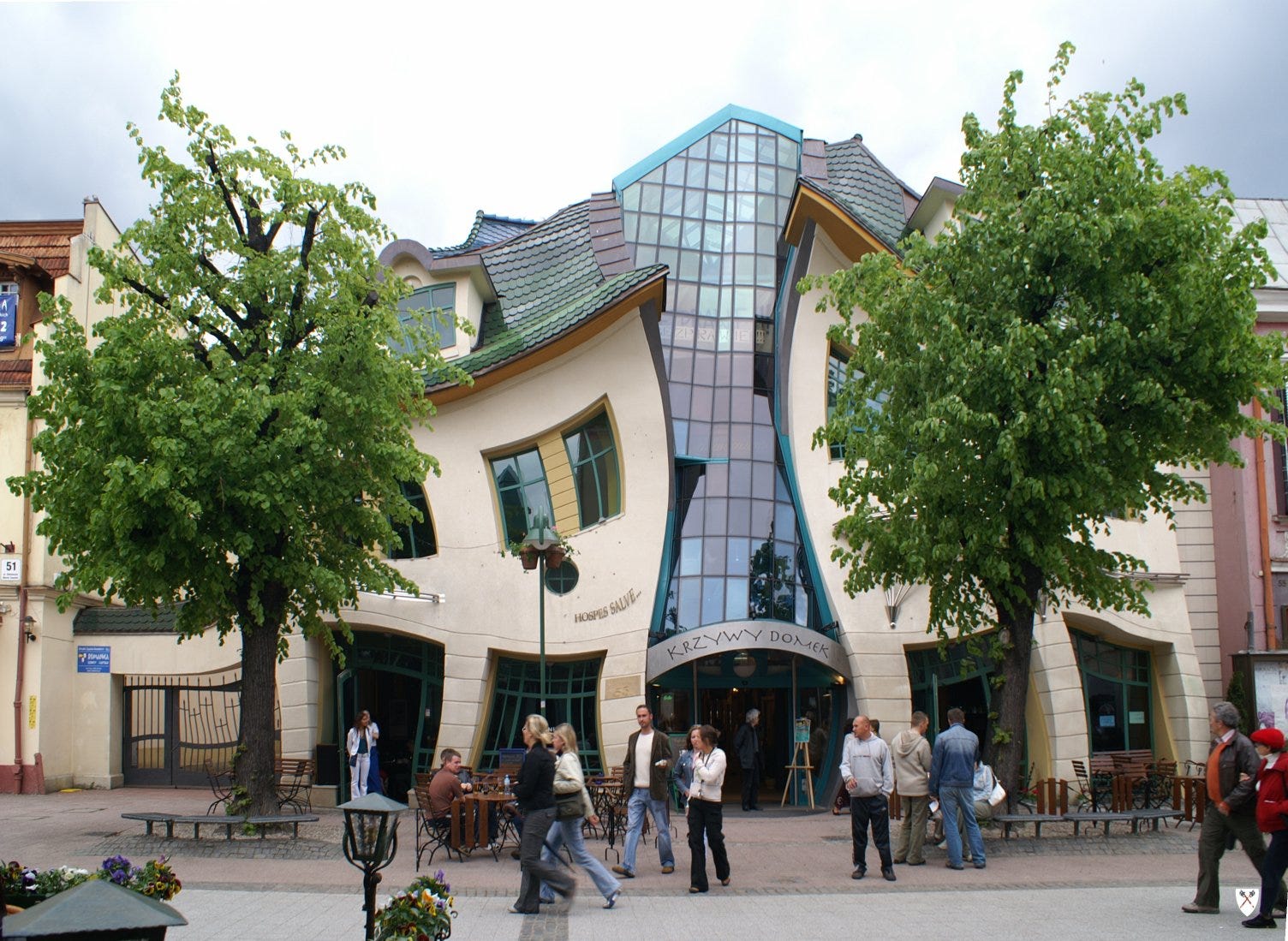
Opened in 2004 and designed by Polish architects Szotynscy & Zaleski, who are said to have drawn inspiration from the fairytale works of Polish illustrator Jan Marcin Szancer and surrealist efforts of Swedish artist Per Dahlberg.
Being an American of a certain age, when looking at this work, I can’t help but hear Grace Slick singing her 1967 acid rock anthem, White Rabbit:
When logic and proportion
Have fallen sloppy dead
And the White Knight is talking backwards
And the Red Queen's off with her head
Remember what the dormouse said
Feed your head
Feed your head
Moving on from faded memories of my occasionally misspent youth, the Crooked House is much more than a semi-psychedelic conversation piece. Rather, as a practical venue, the Crooked House contains offices, shops, a bookstore, medical offices, nightclubs, and the renowned Krzywy Domek Food Hall!
Karlowicz Philharmonic- Szczecin, Poland - 2015
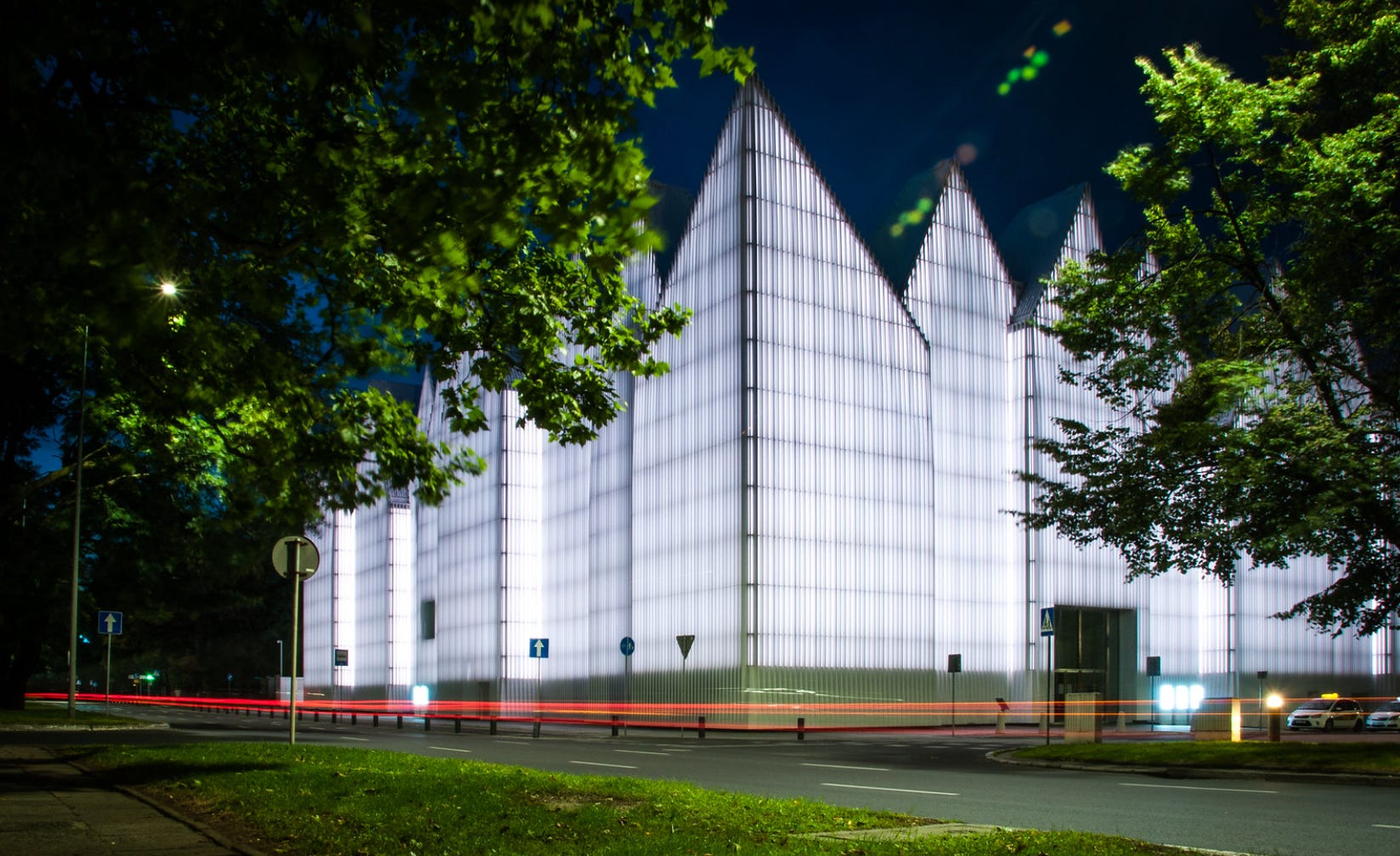
Designed by the Barcelona-based firm, Barozzi Veiga, who said this about their work:
The Philharmonic Hall, designed to accommodate a symphony hall and a chamber music hall, is a very complex building occupying the same space as its predecessor. This is a synthetic design that shares identifying elements from the surrounding context, and where mass, verticality and the shape of the rooflines predominate.
Jessica Mairs is a freelance architecture journalist. In 2015, writing for Dezeen, she commented on this project:
This concert hall in Poland by Spanish studio Barozzi Veiga features ribbed glass cladding and a spiky roof, giving it the appearance of an icy crown……The most noticeable feature of the structure is its zigzagging roof profile, made up of a series of sharply pitched gables. This gives the appearance of many smaller conjoined buildings.
In 2015, the philharmonic was awarded the European Union Prize for Contemporary Architecture.
European Solidarity Centre, Gdansk- 2014
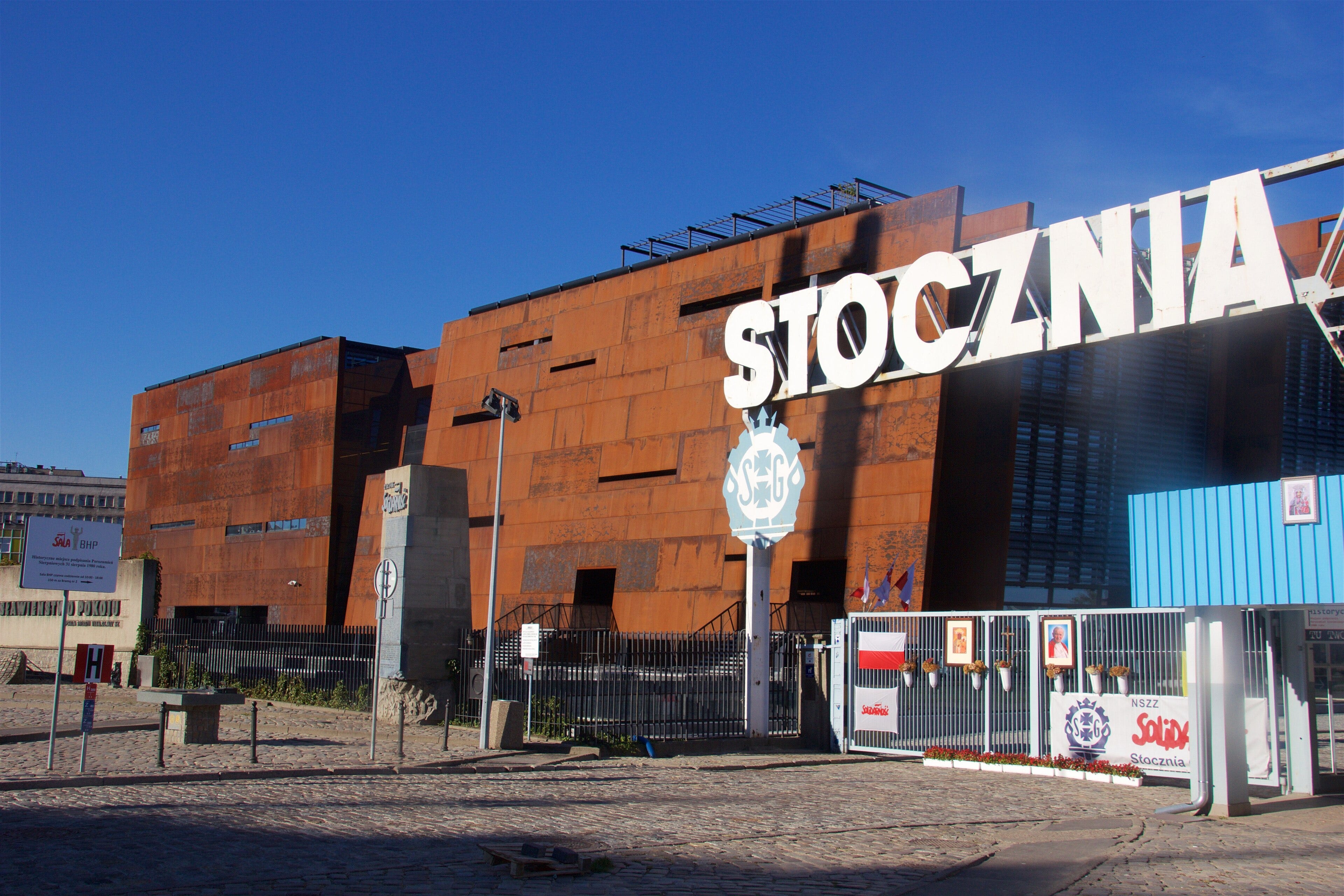
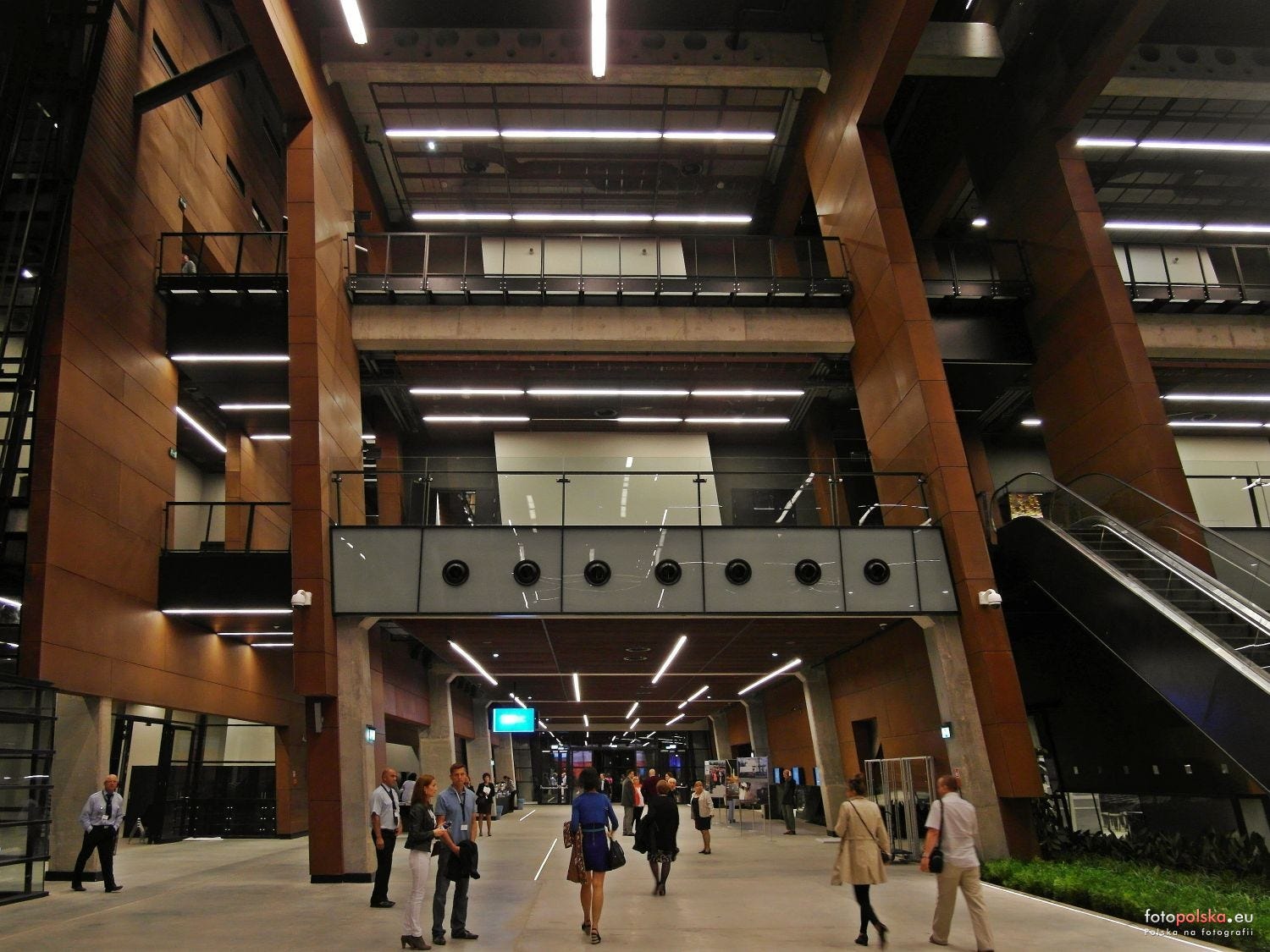
Opened in 2014 and designed by a Polish firm, FORT Architects, who designed the walls of the building to resemble the hulls of ships built at the nearby Gdansk shipyard. This is the same shipyard that gained international attention when Lech Wałęsa, a shipyard electrician, organized the Solidarity movement, which led to the eventual end of Communist rule in Poland. Mr. Walesa would be awarded the Nobel Peace Prize and also be elected president of Poland.
The progress and prominence of Polish Modern architecture is a story still unfolding. We will follow closely.