Christopher Lee and Kapil Gupta - images via the firms website
The famous 20th-century fictional philosopher, Ferris Bueller, told us:
Life moves pretty fast. If you don’t stop and look around once in a while, you could miss it
So it is with architecture. If you don’t stop and look around, you will certainly miss some new faces making a mark. In my experience, I vividly recall walking into the original Arquitectonica office in Miami 45 years ago and knowing instantly that I needed to keep an eye on them. Through the prism of time, that might now seem painfully obvious, but not so much then. While researching modern architecture, I recently came across the London-based firm Serie Architects, led by founding principals Christopher Lee and Kapil Gupta.
Lee and Gupta founded the firm in 2006 and now maintain offices in London, Mumbai, and China. Let’s take a quick look at a few of their projects.
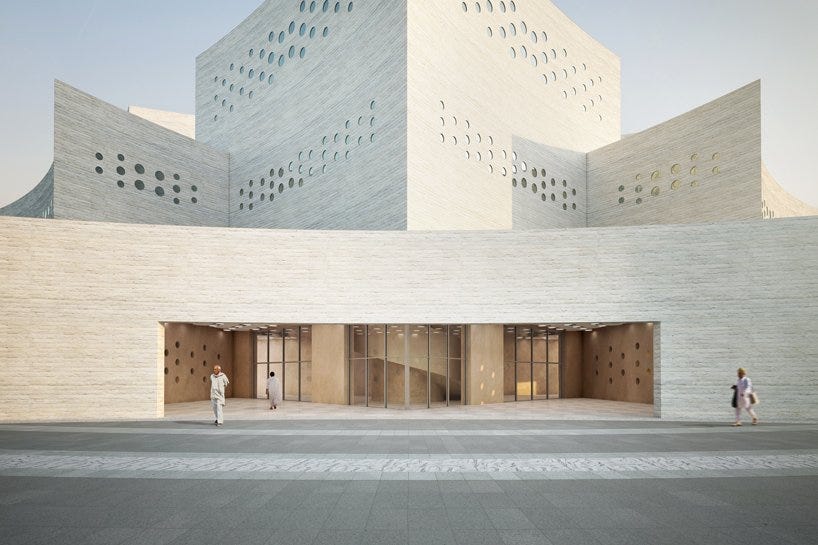
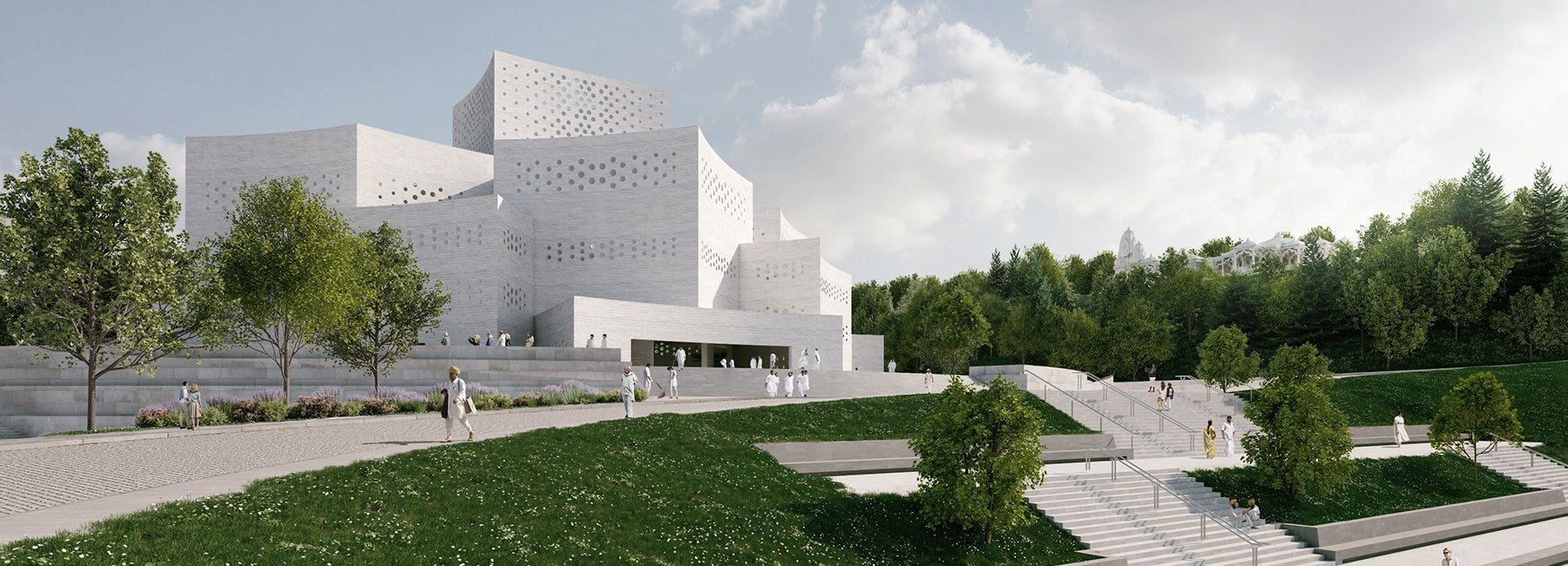
Satsung Hall, Shrimad Rajchandra Ashram, Dharampur, India - 2025
Photo: Serie Architects
Mr. Lee and Serie Architects described the design as:
An assemblage of perforated, curving white volumes informed by the concept of the ‘samavasaran’ in jainism, which describes a mythical building which represents the aggregation of knowledge — through discourse and learning — as building blocks, to bring devotees ever closer to enlightenment.
Photo: Serie Architects
The Serie Architects team describes the facade:
The exterior façade is clad with over half a million hand-cut marble bricks sourced from Makrana, Rajasthan.
The Satsung Hall project was the winner of the Dezeen Magazine, Civic Project of the Year in 2025. The judges commented that:
[It is] a clear winner, this building of substance is contemporary but clearly derived from its locale. It exudes impressive monumentally along with structural strength, while still managing to retain a human scale.
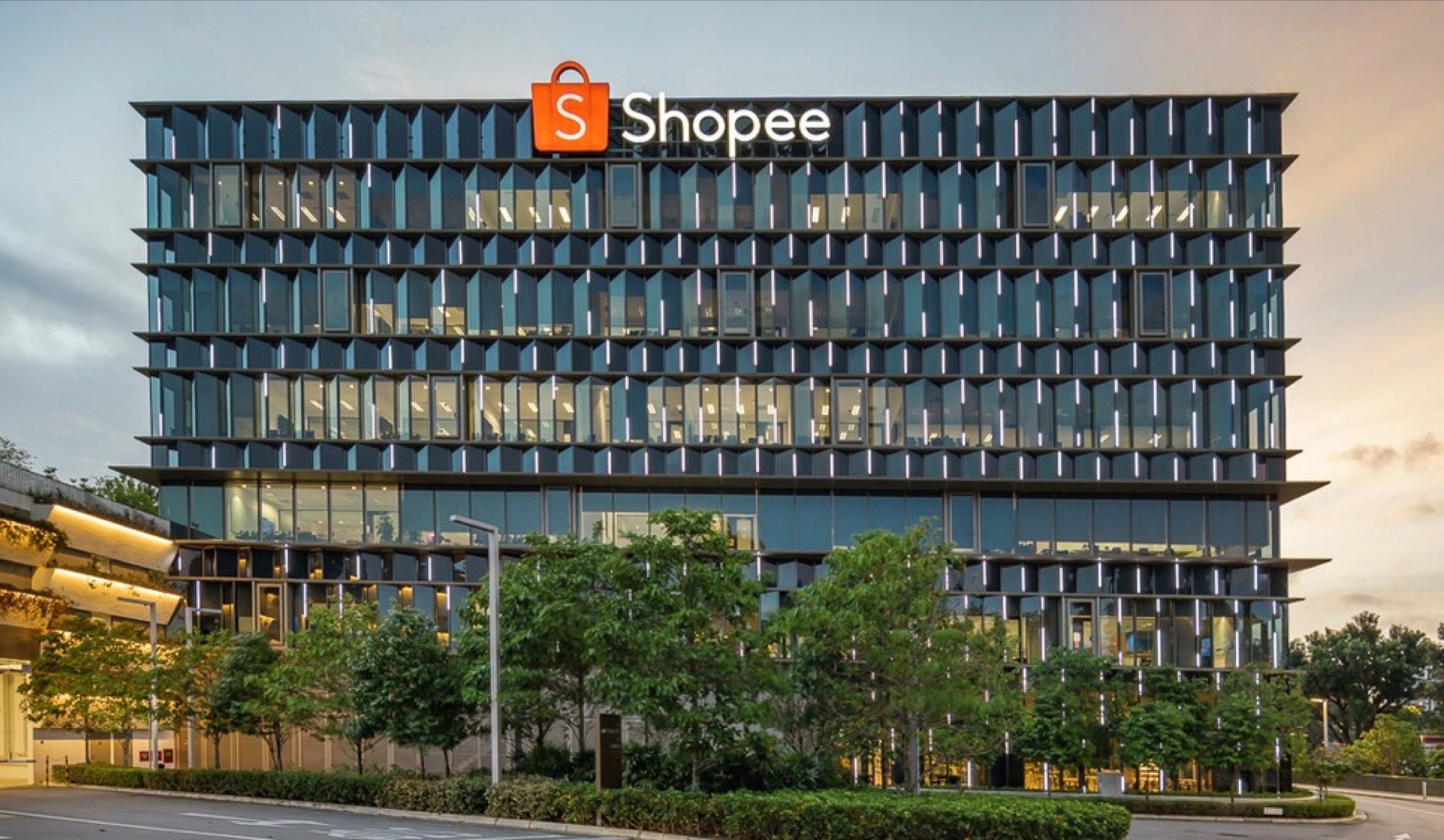
5 Science Park Drive, Singapore - 2019
Photo: Finbarr Fallon
Principal Christopher Lee described the building:
5 Science Park Drive is designed to ensure that common spaces are visible, accessible and nourished with amenities". The building features a three-storey extended lobby or ‘city room’ that incorporates a series of cascading platforms incorporating a café, break-out spaces and a small auditorium. This space is focused on collaboration, discussion and networking.
Jameel Arts Center, Dubai - 2018
Photo: Rory Gardiner
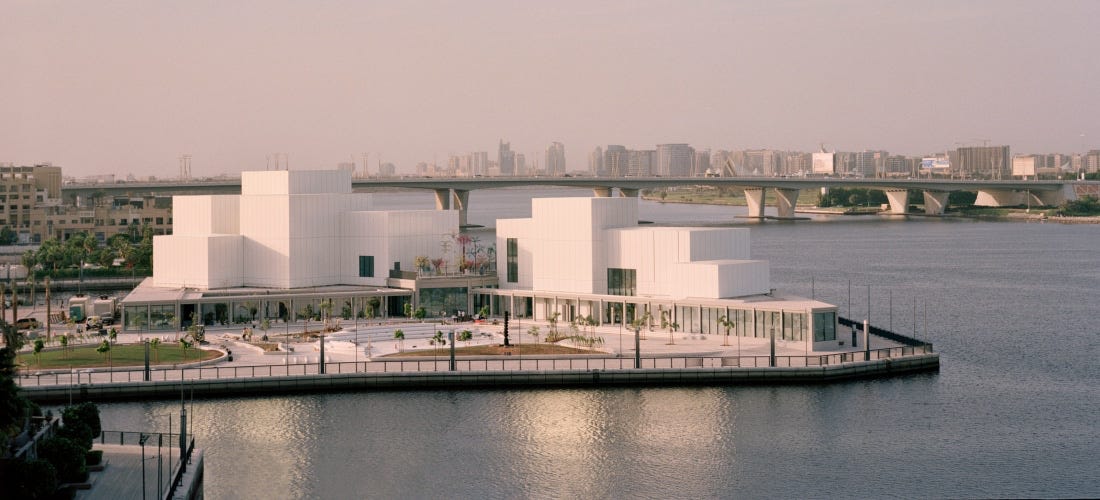
The Jameel Arts Center website described the programming:
The building is comprised of three floors of gallery spaces; an open-access research centre and library; dedicated projects and events spaces; a rooftop terrace designed for installations, film screenings and events; and a restaurant and shop and espresso bar.
Christopher Lee explained a bit of the firm’s process:
We worked very closely with Art Jameel, listening to their needs, responding with architectural ideas, and discursively refining them. The architecture that emerged is one that is able to accommodate a wide range of uses and continues to evolve with the city it serves.
Jameel Arts Centre serves as the best example of what minimalist architecture is, along with the juxtaposition of elements. The art Centre is designed with the purpose of connecting the interior and exterior environment of the building
Jervois Mansion, Singapore
Photo: Serie Architects
A local Singapore realty firm, www.angelyntanproperty.com, described their view of the project’s architecture :
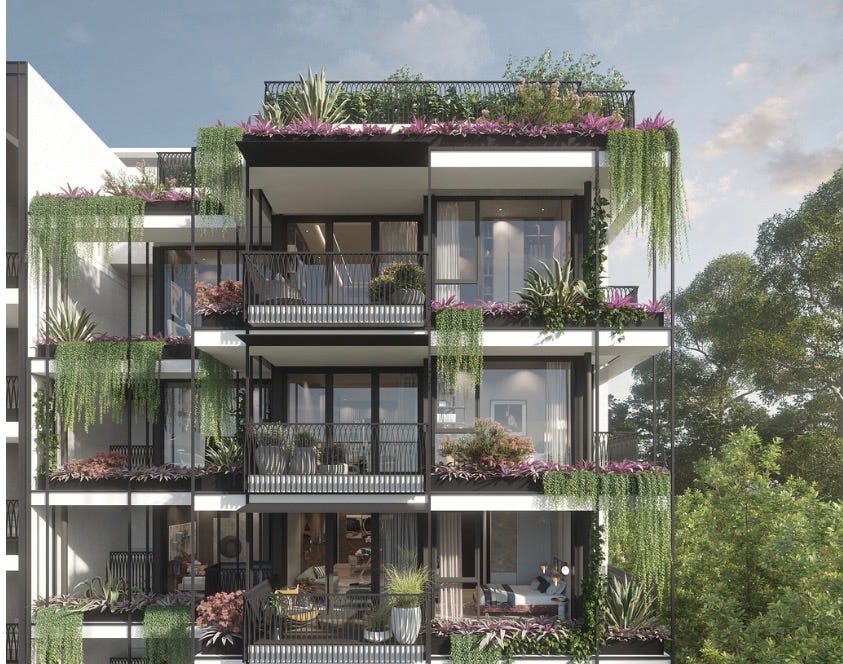
The architecture of Jervois Mansion draws lessons from Singapore’s Black & White Bungalows that resonates with Singapore’s history.
The firm’s website said this:
Jervois Mansion is the first low-rise residential development to be awarded Singapore's Green Mark for Super Low Energy
Photos: Serie Architects
School of Design and Environment, Singapore - 2019
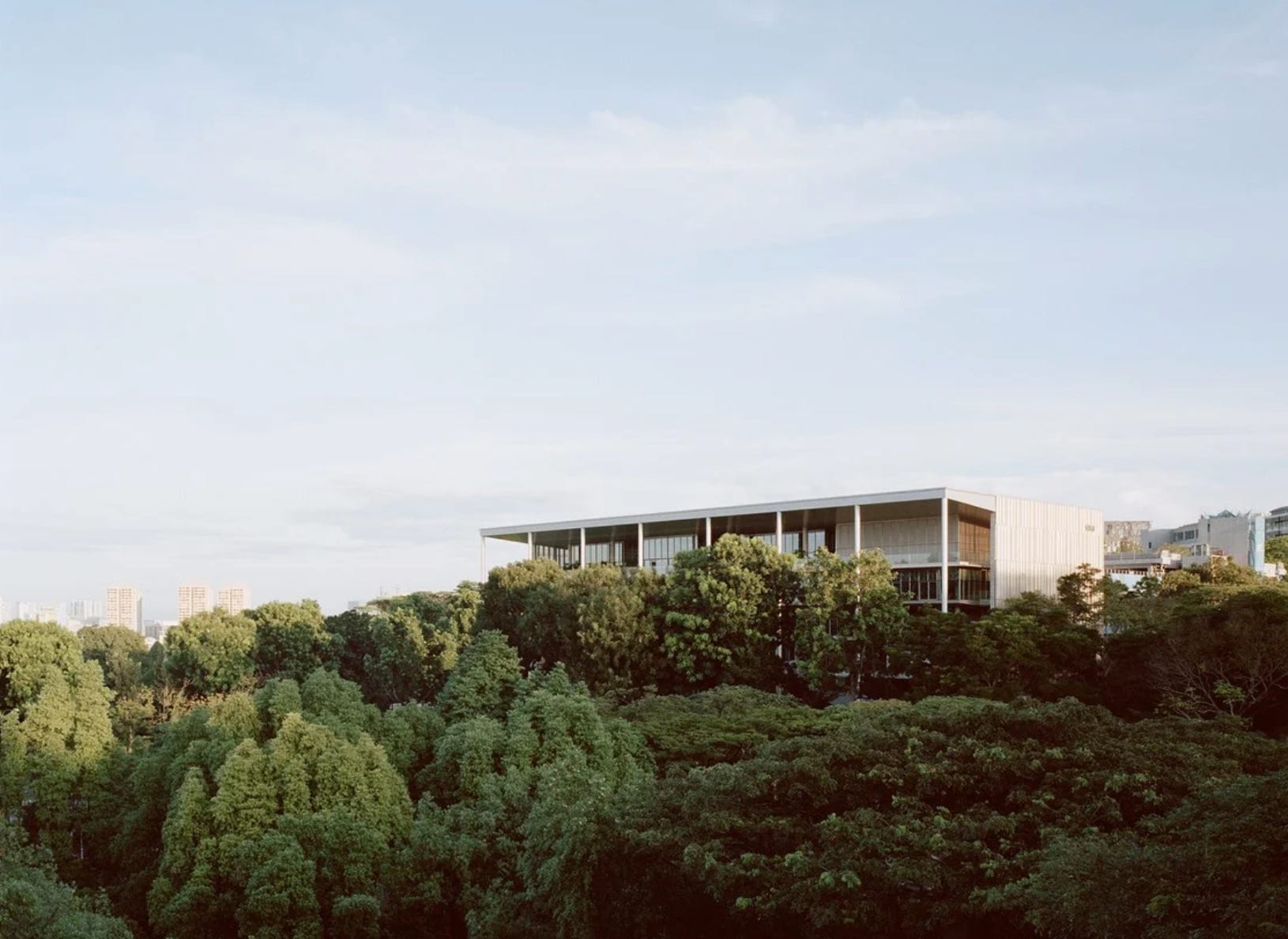
East and west elevations are clad in undulating perforated aluminium to moderate solar heat gain.
They also add:
The roof hosts more than 1200 photovoltaic panels while a hybrid cooling system provides a comfortable, energy-efficient working environment. Singapore State Courts Tower, Singapore- 2021
Photo: Finnbarr Fallon
Christopher Lee speaking for the firm:
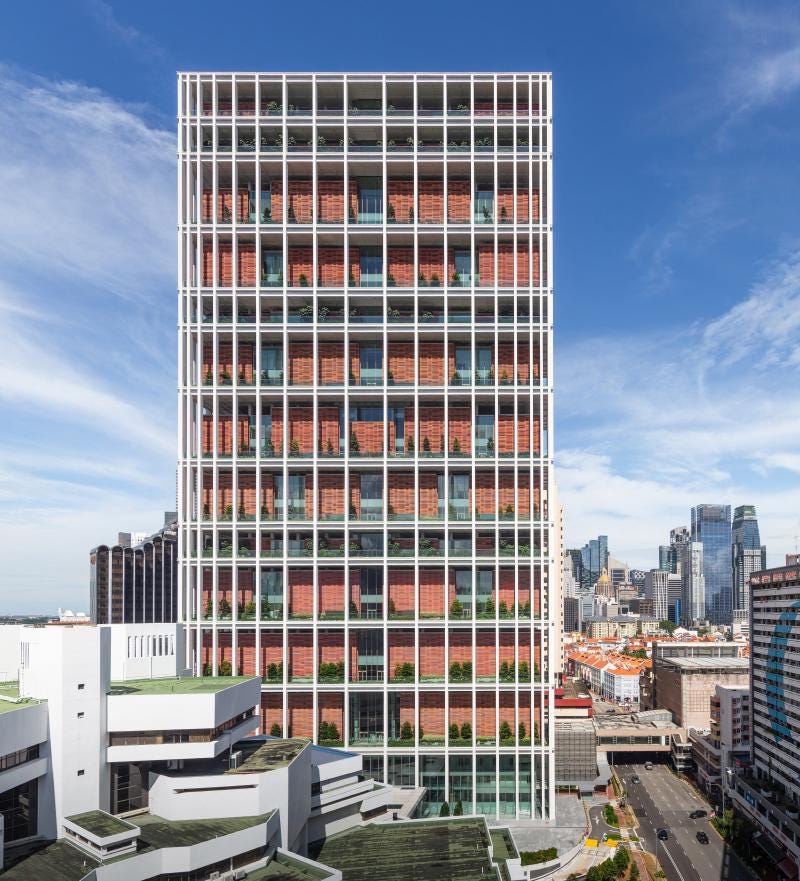
The relationship between the city and its civic buildings was our primary interest for this project. The new State Courts towers should be a building that is symbolically open and accessible to the public. Its design language is drawn from the city's architecture and is both familiar and surprisingly new to its citizens.
The building’s quality is a testament to a well-run selection process, balancing an architect of international insight with a firm of profound sectoral knowledge and ability to execute. Elaborated by subtle references to context and the traditions of civic architecture, the new State Courts nonetheless signal clarity and simplicity. In form, function and intention, the building achieves equilibrium, bringing calm and harmony to the city’s heart.
Conclusion
Although Serie Architects has been in practice for nearly two decades, the firm retains the aura of being “new and noteworthy.” That impression may be shaped as much by statements from the design principals as by the work itself. Nevertheless, their voice feels seriously different from that of the large corporate firms producing standardized commercial architecture on the global stage.
Architecture for the Soul is a reader-supported publication. Please consider becoming a paid supporter. WE NEED YOUR HELP!








Startling